






Market Shift: Urban Public Spaces Become Testing Grounds for Scalable Commercial Robotics
Market Shift: Urban Public Spaces Become Testing Grounds for Scalable Commercial Robotics
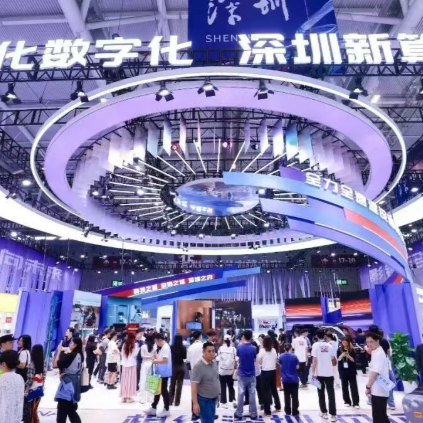
For years, the robotics industry was caught in a paradoxical loop. On one end stood massive, hyper-precise industrial arms locked inside automotive assembly lines; on the other were prototype humanoids performing rehearsed acrobatics on stage. However, a significant market shift is taking place across global municipalities: public urban spaces—ranging from municipal parks and government transit centers to world-famous cultural tourist hubs—have emerged as the definitive proving grounds for scalable commercial robotics.
This transition marks the end of the speculative "gimmick era" of service automation. Cities are no longer interested in high-maintenance technology demonstrations; they require autonomous, high-availability hardware capable of solving structural labor shortages, operating in harsh outdoor conditions, and delivering reliable financial ROI. At the epicenter of this global deployment model is Shenzhen-based manufacturer Anno Robot, whose trajectory from high-precision educational hardware to public-space commercial automation exemplifies how robotics companies must adapt to survive and scale in today's conservative capital environment.
1. The Industrial Lineage: Translating Sub-Millimeter Precision to Consumer Retail
The fundamental breakdown for most servIce Robotics startups occurs during the shift from controlled laboratory environments to unpredictable commercial landscapes. While consumer-grade robotics often rely on low-cost components that deteriorate under continuous operational load, scaling commercial robotics demands an industrial foundation. Anno Robotics initially developed high-precision mechanical arms for academic rigor at institutions like Tsinghua University. That core engineering DNA revealed a structural market opportunity: the high precision demanded by industrial automation was precisely what consumer retail lacked to achieve long-term mechanical reliability.
Closing the Gap with Industrial Grade Hardware
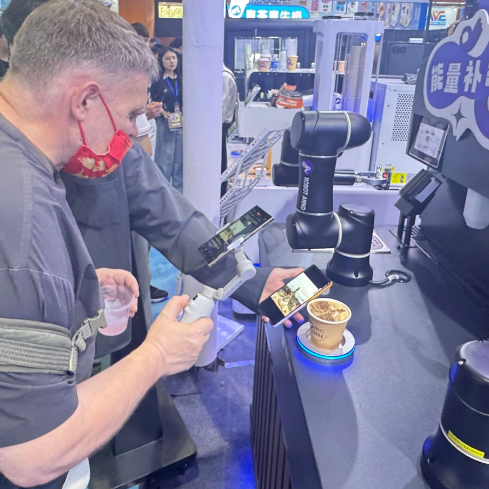
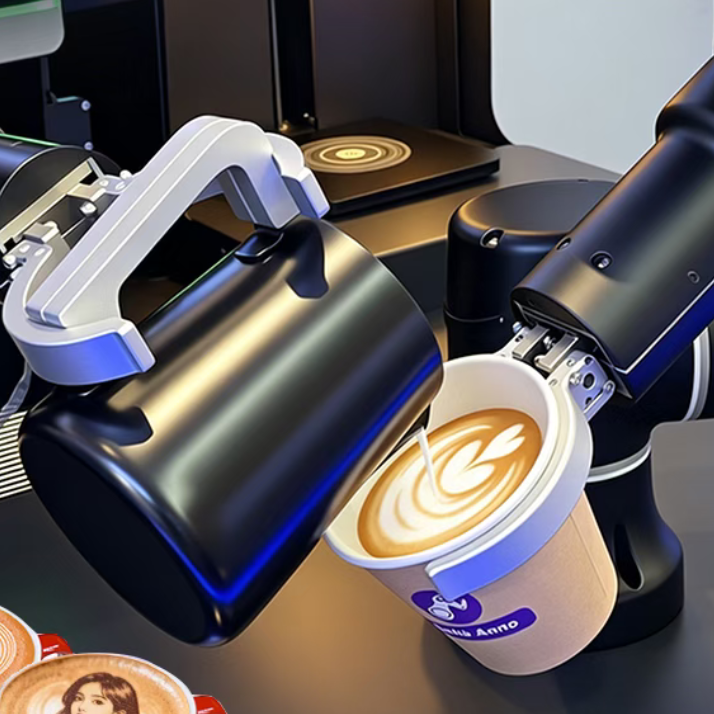
In automated beverage preparation—such as dynamic latte art or custom print coffee—mechanical deviation leads directly to operational failure, unscheduled maintenance, and brand risk. To achieve commercial viability, commercial hardware must deliver consistent repeatability over thousands of operational hours without manual recalibration.
- Sub-Millimeter Repeatability: By developing proprietary six-axis robotic arms paired with industrial harmonic reducers, physical error margins are held down to 0.03 millimeters—one-third the width of a human hair—with a repeat positioning accuracy of ±0.3mm.
- Proprietary Control Infrastructure: Using self-developed closed-loop control systems, multi-axis interpolation algorithms, and integrated machine learning algorithms, modern robotic kiosks maintain multi-axis fluidity while executing delicate tasks.
- 99% Component Localization: By engineering core harmonic gearboxes, vision processing engines, and cloud control platforms in-house, hardware manufacturers eliminate foreign supply-chain bottlenecks while reducing unit production costs.
This technical foundation enables a "downgrade attack" strategy: taking industrial-grade durability, dynamic sensing, and multi-axis kinematics, and applying them to high-density commercial nodes like Melania Town in Shenzhen’s Window of the World, public libraries, and municipal transport hubs.
2. Public Spaces as "Living Laboratories": The Shenzhen Blueprint
The traditional venue for RetAIl Automation was once limited to corporate headquarters or private indoor cafeterias. Today, city planners and commercial real estate developers view robotics as critical infrastructure capable of enhancing public services without expanding physical municipal footprints.
In locations like Shenzhen’s Lianhuashan Park and Baoan Government Service Hall, urban space acts as a living laboratory. Implementing service robotics in public environments forces solutions to solve three core urban operational challenges:
A. Spatial Efficiency in High-Rent Zones
A standard human-staffed coffee kiosk or beverage boutique requires between 15 to 30 square meters of commercial real estate, alongside complex plumbing, electrical, and HVAC infrastructure. A modular robotic workstation operating on a 2-square-meter footprint slashes physical space requirements by up to 80%. This spatial density allows municipalities and property managers to monetize underutilized public acreage—such as park trailheads, transit concourses, and civil administration lobbies—without constructing permanent brick-and-mortar facilities.
B. Uncompromising Environmental Resilience
Public outdoor installations expose sensitive robotic hardware to direct sunlight, high humidity, wind-borne dust, and fluctuating ambient temperatures. Early iterations of outdoor commercial robotics failed because infrared and optical sensors degraded under strong ambient light. By collaborating closely with localized supply chain ecosystems, companies like Anno Robotics integrated specialized fiber-optic sensors and industrial-grade environmental shielding, enabling true 24/7 autonomous outdoor uptime.
C. Standardized Sanitary Compliance and Quality Control
Unlike human operations, which introduce natural variability in food safety, ingredient measuring, and speed of service, robotic arms enforce absolute operational consistency. Operating fully enclosed modules with cloud-monitored sanitation tracking ensures that the 1st beverage served at 6:00 AM matches the quality and safety profile of the 200th beverage served at midnight.
3. The Financial Equation: Calculating ROI in Commercial Robotics
The shift toward public-space robotics is heavily driven by shifting venture capital criteria. The investment climate has pivoted away from speculative conceptual models toward cash-flow-positive, unit-economic-backed robotics deployments. Investors now evaluate robotics firms through a pragmatic lens: clear payback horizons, scalable deployment footprints, and international export velocity.
The Unit-Economic Model
Commercial robotics in public spaces convert static footprints into predictable recurring revenue. The fundamental financial metrics driving current market adoption include:
- 6 to 12 Month Hardware Payback: With equipment running continuously without direct labor overhead, property operators recover initial hardware capital expenditure within a year of deployment.
- High Profitability Margins: After hardware amortizes, operating expenses are primarily restricted to raw ingredients, utility draw, and routine scheduled maintenance, resulting in multi-year net cash flows.
- Micro-Iterative Supply Chain Moats: Proximity to electronics supply chains allows hardware developers to continuously iterate modular components, lowering production cost per unit while accelerating global market delivery.
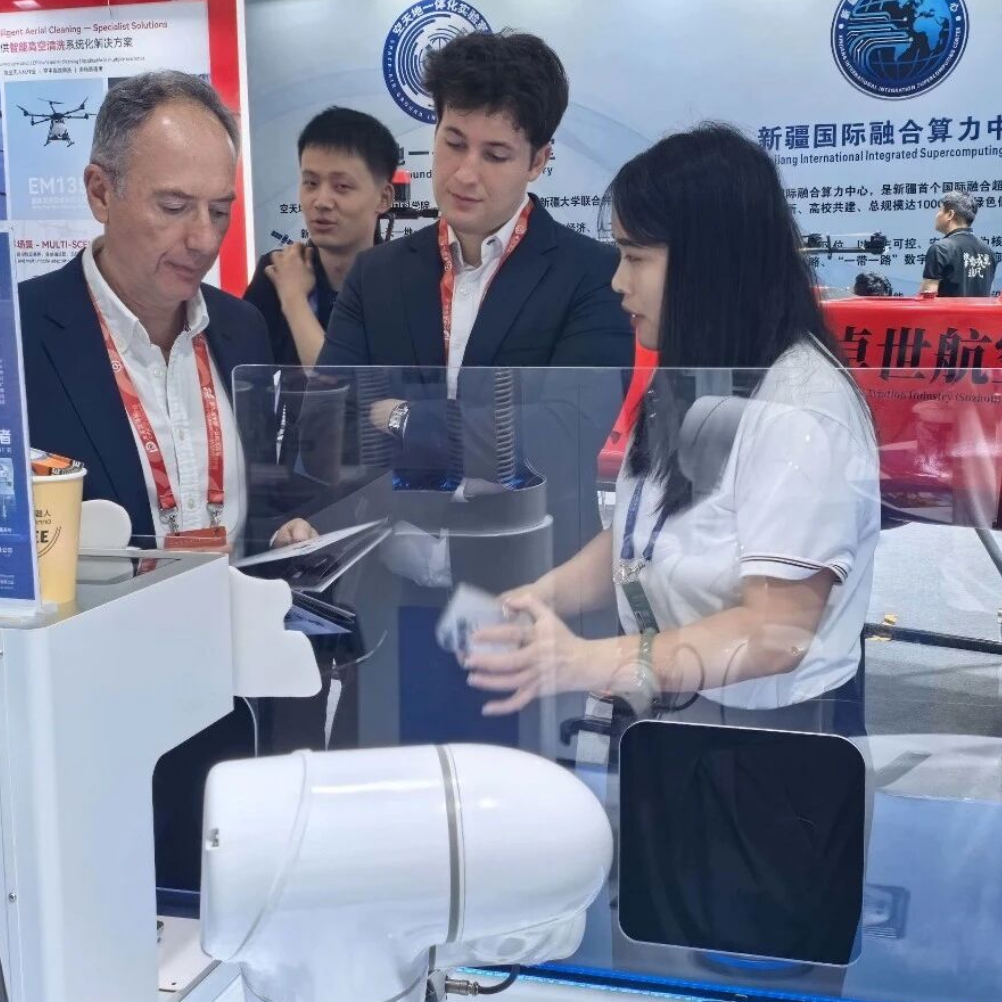
This model is proving globally scalable. Modern commercial robotics are no longer isolated to domestic pilots; hardware platforms engineered for high-density public spaces are expanding rapidly overseas. With deployments spanning over 100 domestic cities and expanding across 80 countries and regions—including high-traffic shopping centers in Istanbul, Turkey, and commercial hubs in Birmingham, UK—the market validates that automated smart retail fulfills universal urban demands.
4. Key Takeaways for Industry Practitioners
For system integrators, municipal planning boards, tech investors, and commercial real estate directors, the shift toward public-space service automation offers crucial strategic lessons:
- Durability Precedes Automation: High-precision, self-developed industrial core components (harmonic reducers, multi-axis interpolation controllers) are required to survive continuous public-space duty cycles.
- Scenario-Driven Integration: Technology must fit existing urban demands rather than forcing custom environments. The success of smart kiosks lies in fitting into compact, high-foot-traffic public corridors.
- Supply Chain Tightness Drives Margin: Achieving over 90% localized component sourcing is essential for maintaining control over bill-of-materials (BOM) costs, system maintenance, and rapid global hardware iteration.
- Pragmatic Monetization over Concept Showcasing: Future funding and market share belong to robotics manufacturers that demonstrate 24-hour operation, transparent cash flow models, and short payback periods over complex tech demonstrations.
5. Shaping the Future of Automated Smart Retail
The transformation of public urban environments into commercial robotics testing grounds signifies a permanent change in how cities deliver services, manage space, and integrate automation. The success of companies like Anno Robotics proves that commercial success does not require building speculative humanoid utopias. Instead, real value lies in deploying hardened, reliable, high-precision robotics directly into daily life—turning park runs, transit stops, and administrative visits into frictionless consumer experiences.
As embodied AI continues to mature, the gap between engineering labs and commercial scale will be closed by solutions anchored in real-world utility, robust supply chain architecture, and provable unit economics.
Empower Your Commercial Space with Scalable Robotics Solutions
Discover how industrial-grade, self-developed desktop robotic arms and AI-driven smart retail solutions are reshaping commercial operations globally. Transition your business with verified 24/7 automated kiosks engineered for modern public and commercial environments.