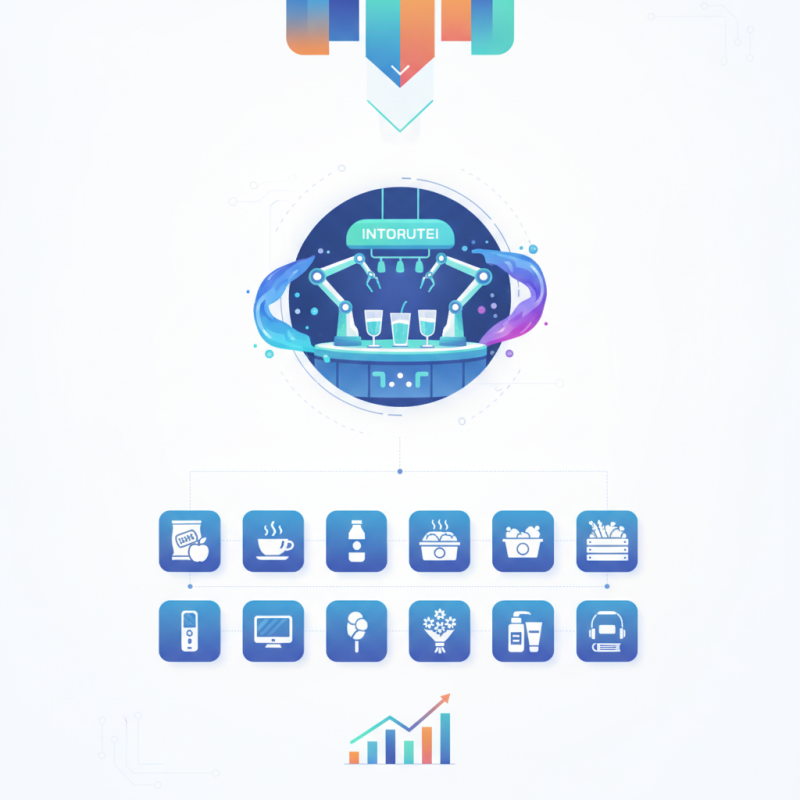
In today’s super fast-paced world, vending machines are changing all the time. They’ve become more convenient and offer a wider variety of options than ever before. Whether it’s snacks, drinks, or other treats, these machines really do cater to pretty much every taste out there. One really cool option you might find interesting is the AI Bartender Vending Machine. It’s pretty amazing — this machine can mix drinks with real precision, giving folks a totally unique experience. Honestly, it’s like having a bartender right at your fingertips.
Now, picking the right vending machine isn’t always straightforward, especially if you’re a buyer on a global scale. Different markets have their own needs and preferences. Some vending machines are great for healthy snacks, while others focus more on traditional soda or candy. Understanding these little differences really matters if you want to make the right choice.
For anyone curious about what’s happening in the vending world, I put together a quick guide on the top 10 machines you can find around the globe. By looking at their features, what they do, and what customers are saying, you get a good sense of what makes certain machines stand out from the crowd. It’s also worth thinking about industry trends and future innovations because this space is constantly evolving and growing. Who knows what exciting stuff we’ll see next?
Vending machines are evolving rapidly in global markets. They are no longer just for snacks and drinks. Today, many machines offer healthy options and fresh foods. This shift reflects changing consumer preferences. People want convenience alongside better nutrition.
In Asia and Europe, technology integration plays a vital role. Contactless payments and smart interfaces are now common. This makes transactions quicker and more user-friendly. However, not every machine has adapted. Some locations still rely on outdated systems. These gaps show the need for improvement in many areas.
Sustainability is another key trend. Many buyers prefer eco-friendly packaging and energy-efficient machines. This change is not universal yet. Some regions lag in adopting these practices. Vending operators must recognize these challenges and innovate continuously. Balancing traditional methods with modern demands is crucial for future success.
The vending machine industry has witnessed impressive revenue growth over recent years. With technological advancements and changing consumer behaviors, these machines now offer a variety of products beyond snacks and beverages. They cater to diverse needs and preferences, creating opportunities for buyers worldwide.
To enhance your vending machine business, consider location carefully. A prime spot can significantly affect sales. Aim for high foot traffic areas like offices, schools, or hospitals. Always analyze local preferences. This can help in selecting the right product mix. Keep in mind that consumer tastes may vary greatly across different regions.
Tips for success in this market include regularly updating your inventory. Outdated products often lead to lower sales. Engage with customers through surveys to identify their preferences. Pay attention to feedback; it can provide valuable insights for future offerings. Furthermore, embrace technology by incorporating cashless payment options. This convenience can attract more users, boosting revenue.
This bar chart illustrates the projected revenue growth of different types of vending machines in the global market over the next five years. The data reflects current trends and popularity among consumers, highlighting various machine categories.
Vending machines globally have evolved to cater to diverse consumer preferences. Data from recent reports indicate that snack and beverage items dominate these machines, but trends are shifting. In Asia, healthy snacks like nuts and protein bars are gaining popularity. In contrast, North America still shows a strong preference for traditional junk food options.
Among the innovative products emerging are specialized machines, such as the CocktAIl Vending Machine. These machines feature unique offerings that attract younger consumers. Reports suggest that this trend is growing, with a noticeable uptick in the sales of premium beverages in vending systems. Urban locations see higher foot traffic, making them ideal for placing these machines.
Yet, there are challenges. Many consumers express concern over the freshness of items. A survey showed that 47% of respondents are hesitant to purchase perishable goods from vending machines. This highlights the need for ongoing innovation in product offerings. As the industry evolves, understanding consumer preferences remains essential, but the balance between novelty and reliability must not be overlooked.
| Rank | Product Category | Popularity Percentage (%) | Consumer Preference Notes |
|---|---|---|---|
| 1 | Snacks | 35 | Chips, chocolates, and candy are highly favored. |
| 2 | Beverages | 30 | Soft drinks and bottled water dominate the market. |
| 3 | Healthy Options | 15 | Granola bars and dried fruits gaining traction. |
| 4 | Instant Noodles | 7 | Convenient and filling option for busy consumers. |
| 5 | Desserts | 5 | Cookies and pastries are popular among sweet tooths. |
| 6 | Breakfast Items | 4 | Muffins and breakfast bars are emerging favorites. |
| 7 | Frozen Foods | 3 | Increasing demand for frozen meals and treats. |
| 8 | Coffee and Tea | 2 | Hot beverages provide comfort and energy boosts. |
| 9 | Pastries | 1 | Mini pastries are a on-the-go favorite. |
| 10 | Novelty Items | 0.5 | Unique gadgets and toys attract interest. |
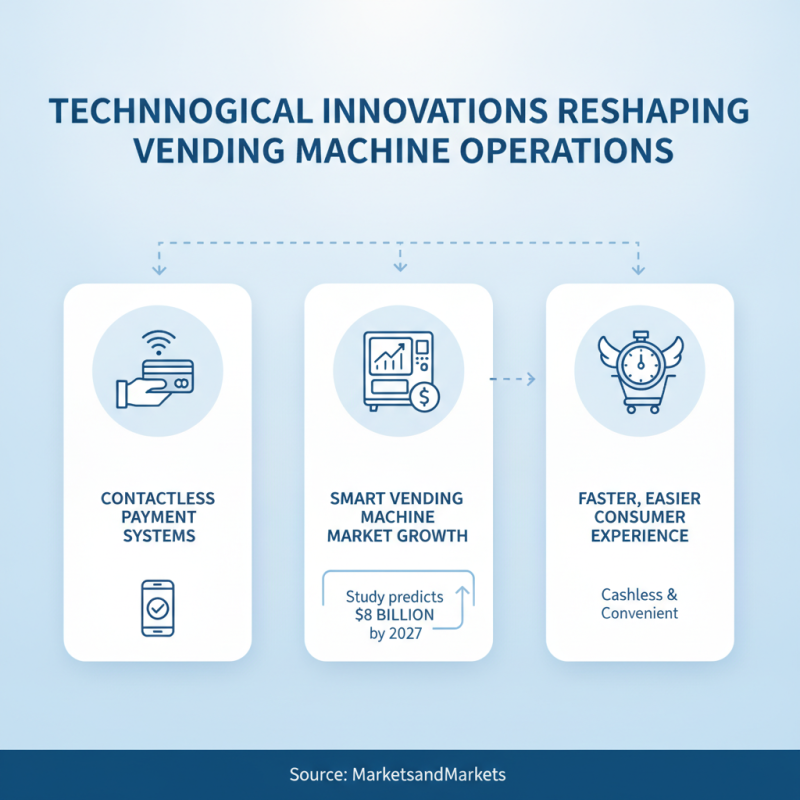
The vending machine industry is undergoing a transformation, driven by technological innovations. Contactless payment systems are becoming standard, enhancing user convenience. A study from MarketsandMarkets predicts that the smart vending machine market will reach $8 billion by 2027, showcasing rapid growth. This shift towards cashless options supports a broader trend in consumer preferences for speed and ease.
AI and data analytics are also reshaping operations. Vending machines can now collect data on consumer behavior. This data allows for better inventory management and tailored offerings. According to a report by Grand View Research, more than 50% of vending machines will employ smart technology in the next five years. However, adapting to these technologies poses a challenge. Some operators may lack the resources to implement these advanced systems.
Additionally, sustainability is increasingly important. Modern machines are incorporating energy-efficient features. As consumers become more conscious of their environmental impact, vending solutions must adapt. Yet, the high upfront costs related to sustainable technologies can deter smaller businesses. It is crucial for them to weigh long-term benefits against immediate financial constraints.
Sustainability in the vending machine industry is gaining momentum. Eco-friendly machines are becoming increasingly popular among global buyers. Advanced technology allows machines to be more efficient. This means less energy and water usage. Many firms are integrating recyclable materials into their designs. Users appreciate machines that not only serve snacks but also care for the planet.
A notable trend is the rise of the Robot Drinks Vending Machine. These machines often have features like solar panels and energy-efficient cooling systems. They also utilize sustainable packaging options. Some have sensors to monitor product freshness, reducing waste.
However, not all manufacturers prioritize sustainability equally. It can be challenging to find reliable suppliers that genuinely focus on eco-friendly practices.
As the demand for green solutions grows, the market will evolve. Potential buyers must research their options thoroughly. It's essential to weigh the benefits against the costs. Not every machine labeled as “eco-friendly” lives up to expectations. Buyers must stay informed and critically evaluate claims. The shift towards sustainability is complex, requiring ongoing reflection and innovation in the industry.
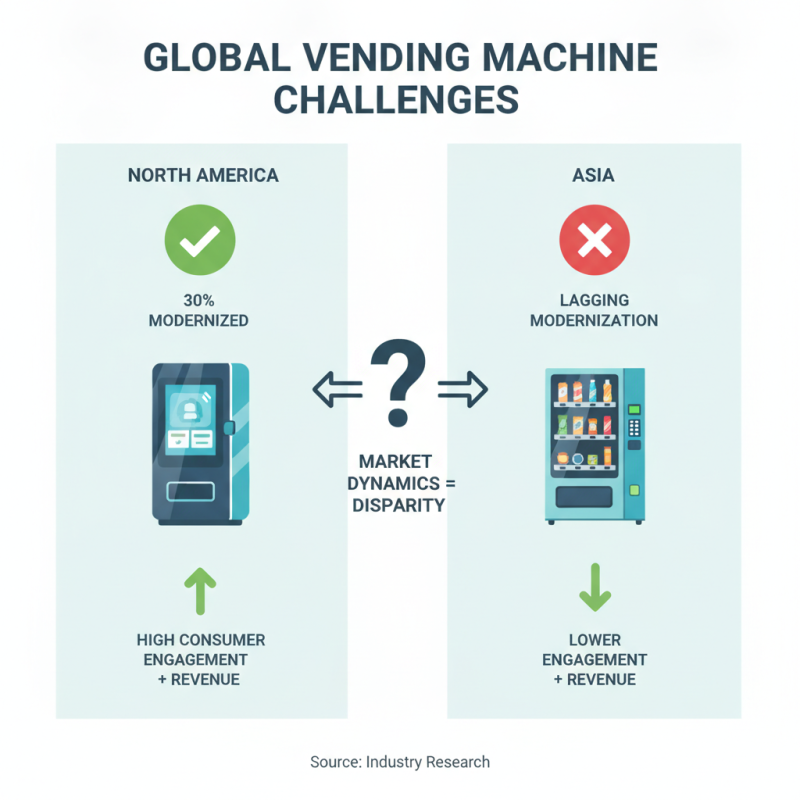
Vending machine operators face unique challenges across different regions. Market dynamics vary significantly depending on geography. Research indicates that 30% of vending machines in North America are modernized, while many in Asia lag. This disparity affects consumer engagement and revenue generation.
Cultural preferences also play a crucial role. In Europe, healthy snack options are gaining traction. However, some operators still offer traditional choices, causing mixed responses. A report by the Global Vending Alliance highlights that 65% of consumers prefer machines that align with their dietary preferences. The rising demand for healthy options emphasizes the need for adaptation.
Moreover, technology integration poses challenges. The implementation of cashless payment systems is more prevalent in urban centers. In contrast, rural areas often struggle with outdated systems. The introduction of Next-Gen Drink Vending Machines, equipped with advanced technology, can boost revenue but requires substantial investment. Operators must weigh these costs against potential benefits. The ongoing evolution of the vending industry shows that regional operators must stay informed and agile to meet changing demands.
The vending machine industry is evolving rapidly. Future projections indicate significant growth in vending machine technologies. With advancements, machines are becoming smarter and more efficient. For example, the use of AI Drink Vending Machine is enhancing user experience. These machines can analyze consumer preferences and suggest drinks accordingly.
Tips for buyers include assessing the location. A high-traffic area usually maximizes potential sales. Additionally, consider machine adaptability. Machines that integrate new technology can keep pace with trends, ensuring longevity in the market.
Investing in user-friendly interfaces is essential. Customers appreciate simple navigation. Also, regular maintenance is often overlooked. Machines should be serviced frequently to avoid breakdowns that can lead to lost sales. Staying informed about new tech trends is crucial. While the future looks bright, past mistakes in choosing tech can be a guide for better decisions.
: Nowadays, vending machines provide various items, including healthy options and fresh foods, beyond just snacks and drinks.
Choosing a prime location can greatly influence sales. High foot traffic areas like offices and schools are ideal.
Regularly updating the inventory is essential. Outdated products can lead to lower sales and customer dissatisfaction.
Technology enhances convenience through features like contactless payments. It also supports better inventory management using data analytics.
While sustainability is essential, many regions are still lagging in eco-friendly packaging and energy-efficient machines.
Engaging with customers through surveys helps identify preferences. Their feedback provides valuable insights for future products.
Smaller operators may struggle with the high costs of implementing advanced technologies, despite the potential benefits.
Balancing old and new practices helps operators adapt to changing consumer demands while maintaining reliable service.
Incorporating cashless payment methods can attract more users, leading to increased revenue and convenience.
The industry is likely to see further advances in AI, smart technology, and increased emphasis on sustainability.
The article "Top 10 Vending Machine Options for Global Buyers" explores the dynamic landscape of vending machines across various international markets. It highlights key trends in vending machine sales, noting a robust revenue growth fueled by evolving consumer preferences for diverse and convenient products. Technological innovations are transforming operations by introducing smart vending solutions that enhance user experience and efficiency.
Additionally, there is a growing emphasis on sustainability, with eco-friendly machine options gaining popularity among consumers. However, operators face challenges that vary by region, necessitating tailored strategies to meet market demands. Looking ahead, the article provides insights into the anticipated growth of vending machine technologies, indicating a promising future for the industry as it adapts to changing consumer behaviors and environmental considerations.