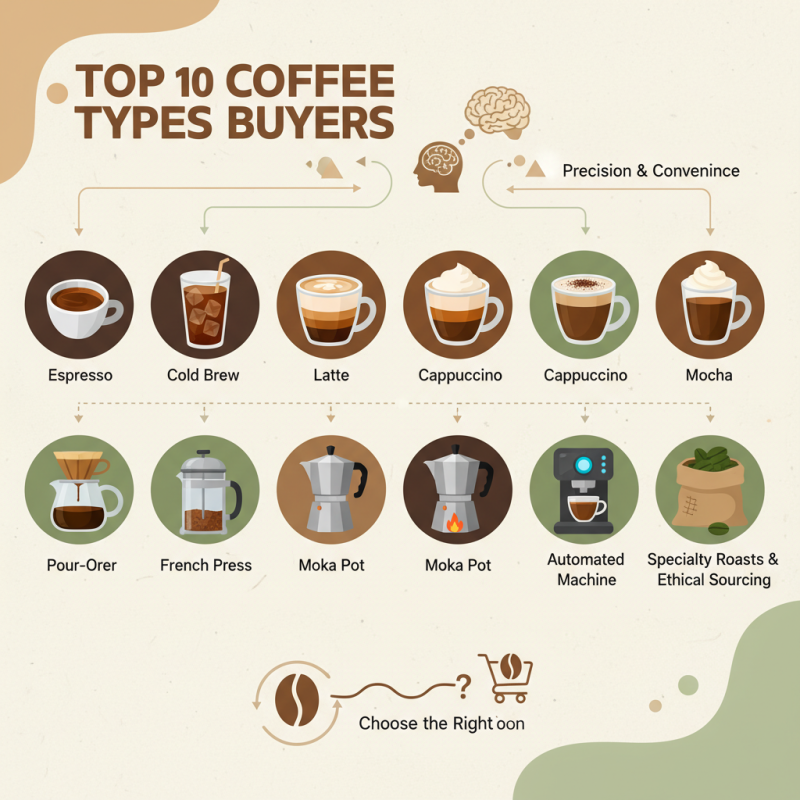
Coffee culture has really taken off around the world lately, leading to an endless variety of blends and brewing styles. It feels like everyone’s on the hunt for unique flavors—not just to satisfy their taste buds, but also to fit into their lifestyles. And you can’t ignore the rise of those automated coffee machines. They’ve totally changed the game for coffee geeks, making it super easy to enjoy a good cup at home. These machines are all about precision and convenience, so there's no need to head out just to get your favorite brew anymore.
From the intense, bold shot of an Espresso to the cool, fruity vibes of Cold Brew, each cup really tells a story. Coffee lovers are getting more selective these days—more interested in specialty beans and ethically sourced beans, too. That brings up questions about sustainability and how mass-produced coffee affects everything. People want a real connection to their coffee now, ya know? But with so many options out there and all the marketing buzz, it can be pretty overwhelming trying to figure out what’s really worth it.
The global coffee scene is changing fast, and brands really need to adapt if they want to stay relevant. But the tricky part is keeping that authentic quality intact. Before jumping on the latest trend, it’s worth taking a moment to think about what you actually enjoy—are you just following the crowd, or do you genuinely love the whole experience? keeping that in mind is so important for anyone exploring this vibrant and ever-evolving world of coffee.
Popular Coffee Varieties Across the Globe
Coffee is a beloved beverage worldwide, with many varieties cherished by coffee enthusiasts. Arabica coffee is one of the most popular types. It is known for its mellow flavor and aromatic qualities. Many coffee lovers appreciate its delicate sweetness and smooth finish. Robusta, on the other hand, offers a bolder taste, often favored for its higher caffeine content. This variety can bring a strong and bitter flavor profile that some find appealing.
Across different regions, unique coffee varieties emerge. For instance, Ethiopian coffee is famous for its fruity and floral notes. These complex flavors often captivate many drinkers. In Brazil, coffee is typically nutty and chocolatey, expanding the experience for consumers. Coffee Robot Barista technology has also gained popularity. This innovation allows for the precise brewing of various coffee types, showcasing their distinct flavors and aromas.
However, not every coffee lover embraces every variety. Some feel overwhelmed by the selection. Others may have difficulty distinguishing between the subtleties of different types. The richness of coffee culture is both exciting and challenging. Each cup, whether brewed traditionally or by a Coffee Robot Barista, carries a story and an opportunity for connection. Exploring global coffee varieties can inspire conversations and moments of reflection.
Top 10 Coffee Types Loved by Global Buyers
The Rich History of Coffee and Its Global Spread
Coffee has a rich history that traces back to ancient Ethiopia. According to legend, a goat herder discovered the coffee cherries after noticing his goats had increased energy. This natural stimulant quickly spread to the Arabian Peninsula, where it became an integral part of culture. By the 15th century, coffee was a staple in many Middle Eastern communities, fueling social gatherings and intellectual discussions.
As coffee traveled across the globe, its popularity soared. Trade routes brought coffee to Europe, where it transformed from an exotic drink to a daily necessity. Coffeehouses sprang up in cities, serving as meeting places for artists, thinkers, and politicians. This cultural exchange often ignited notable innovations. However, the coffee trade also had darker aspects, including colonial exploitation and labor issues.
Today, coffee signifies much more than just a beverage. It connects people across cultures. Different regions have unique brewing methods and flavors, reflecting their heritage. Yet, this global love for coffee invites reflection. Are we considering the environmental impact of our consumption? As we indulge in this beloved drink, we must also recognize our choices' broader implications on communities and ecosystems.
Key Factors Influencing Coffee Preferences Worldwide
Coffee preferences vary significantly across the globe. Key factors influencing these choices include flavor, preparation method, and cultural significance. According to the International Coffee Organization, 45% of coffee drinkers prefer espresso-based drinks, illustrating a trend towards rich flavors in many regions. In contrast, filter coffee remains popular for its simplicity and ease of preparation.
The variety of brewing techniques also plays a role. In Nordic countries, for instance, lighter roasts are favored, often brewed using pour-over methods. Meanwhile, traditional cooking styles in countries like Italy or Turkey embrace strong, bold flavors. Understanding these regional preferences can enhance coffee marketing strategies.
Tip: Explore local coffee trends when traveling. Engaging with local roasters can offer insights into unique flavor profiles.
It's important for producers to adapt as preferences shift. Recent surveys indicate that sustainability is becoming more critical to consumers. 64% of coffee drinkers said they care about environmentally friendly practices in coffee production. Acknowledging this shift can lead to deeper customer connections.
Tip: Always seek to educate consumers about the sourcing of their coffee. Transparency creates trust and loyalty.
Top 10 Most Loved Coffee Types by Consumers
Coffee is a beloved beverage worldwide, enjoyed by many for its rich flavors and energizing effects. Consumers have different preferences, leading to several popular coffee types. From espresso to cold brew, each offers unique tastes and brewing methods. Understanding these can enhance your coffee experience.
Espresso stands at the forefront, appreciated for its bold flavor. This concentrated coffee serves as a base for various drinks. Similarly, cappuccino garners love for its perfect froth balance. The creamy texture and rich coffee flavor make it a favorite. On the other hand, many are drawn to the smoothness of cold brew. It often has a less acidic taste and is refreshing, especially in warmer weather.
**Tips:** Experimenting with different brewing methods can elevate your coffee game. Take time to understand how grind sizes and water temperatures affect flavor. Remember, not every attempt will yield perfection. Reflecting on failed brews can lead to better personal preferences in the future. Lastly, consider trying coffee from different regions. Each origin offers something distinct, enriching your appreciation further.
Top 10 Coffee Types Loved by Global Buyers
| Rank | Coffee Type | Flavor Profile | Origin | Popularity (out of 10) |
| 1 | Espresso | Rich, Bold | Italy | 9.5 |
| 2 | Americano | Smooth, Mellow | United States | 8.8 |
| 3 | Latte | Creamy, Mild | Italy | 9.0 |
| 4 | Cappuccino | Frothy, Balanced | Italy | 9.2 |
| 5 | Mocha | Chocolatey, Sweet | Yemen | 8.7 |
| 6 | Flat White | Velvety, Strong | Australia | 8.5 |
| 7 | Cold Brew | Smooth, Refreshing | United States | 8.3 |
| 8 | Turkish Coffee | Bold, Spicy | Turkey | 8.0 |
| 9 | French Press | Rich, Full-bodied | France | 8.6 |
| 10 | Affogato | Sweet, Creamy | Italy | 7.8 |
Cultural Significance of Each Coffee Type
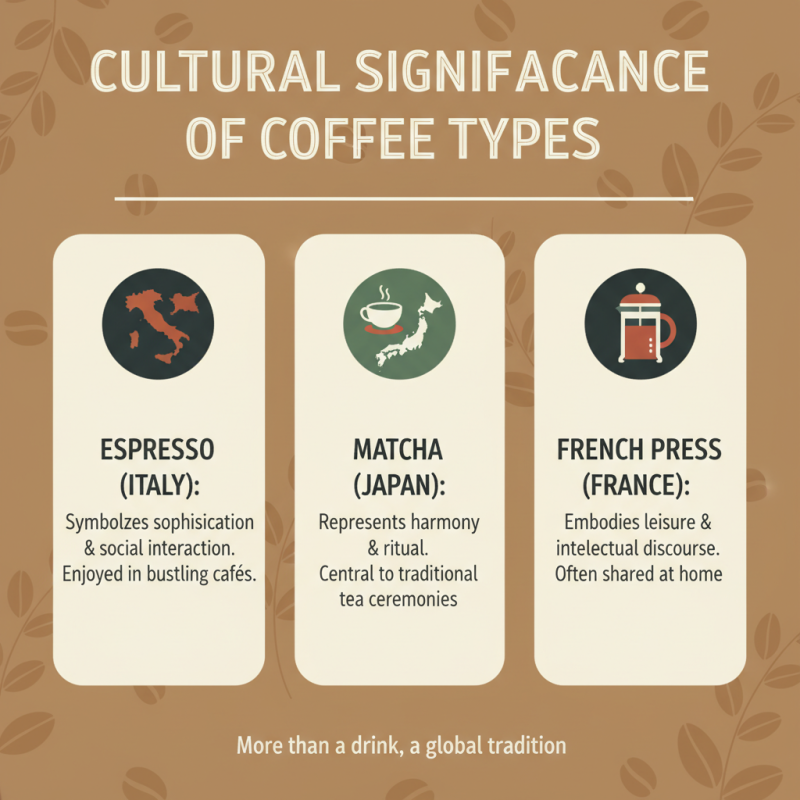
Coffee is not just a beverage; it's a cultural landmark across the globe. Each type of coffee carries unique traditions and flavors that tell a story. For instance, espresso, loved in Italy, symbolizes sophistication and social interaction. It's often enjoyed in a bustling café, where conversation flows as richly as the coffee itself.
In Ethiopia, coffee ceremonies are integral to social life. The meticulous process of roasting and brewing coffee beans highlights respect and community. Such rituals elevate coffee beyond mere consumption, allowing deeper connections among people. The Ai Coffee Robot, a modern twist, brings convenience to this age-old tradition. It showcases how technology can complement cultural practices.
In contrast, coffee drinking in Sweden embraces the idea of "fika," a coffee break lasting hours. This encourages slowing down and cherishing moments with friends. Though instant coffee is often frowned upon, it illustrates the clash between modern speed and traditional preparation. Reflecting on these contrasts in coffee culture reveals deeper insights into our lifestyle and values.
Brewing Methods for Popular Coffee Varieties
Coffee lovers around the world enjoy various types of coffee, each bringing its unique flavors and aromas. The brewing method you choose can significantly impact the taste of your cup. For example, espresso relies on high pressure to extract rich flavors quickly, while cold brewing uses time instead of heat to create a smooth, less acidic drink.
When using an AI Robot Coffee Car Machine, experimenting with different brewing methods can alter your coffee experience. This machine offers precision and convenience, allowing you to adjust brewing times and temperatures easily. With the right settings, you can elevate your morning routine. A tip for beginners: always measure your coffee grounds accurately. Too much can lead to bitterness, while too little may result in a weak flavor.
French press is another popular method. It gives a full-bodied coffee, capturing essential oils. However, it can be messy if not done carefully. Pouring too quickly might lead to splashes. Remember to give your coffee a gentle stir before steeping for the best extraction. Balancing flavor profiles often requires some trial and error, especially when discovering which roast suits your palate best. Enjoy the journey of finding your ideal brew!
Emerging Trends in Global Coffee Consumption
Global coffee consumption is evolving rapidly. Emerging trends indicate a growing demand for unique and innovative coffee experiences. According to the International Coffee Organization, the global coffee consumption reached approximately 167 million 60-kilogram bags in 2022, showcasing a steady rise with consumers seeking quality over quantity.
Specialty coffee has seen a surge in popularity. Reports suggest that 40% of consumers prefer craft coffee, often sourced from single-origin farms. These choices reflect a deeper connection to the product and its origins. Coffee shops are increasingly embracing technology, such as the AI Coffee Car Machine. This device customizes brews based on individual preferences, enhancing the consumer experience and catering to the demand for personalized options.
While these trends are promising, some coffee enthusiasts express concern. Accessibility remains a challenge. Not everyone can afford specialty drinks. Additionally, this shift towards premium products might overlook traditional coffee practices. The industry's focus on innovation must balance respect for its roots with emerging consumer preferences. Keeping these tensions in mind could shape a more inclusive coffee culture.
FAQS
: Coffee traces back to ancient Ethiopia, discovered by a goat herder.
Coffee reached the Arabian Peninsula and became part of local culture.
Coffee was a staple fueling social gatherings and intellectual discussions.
Trade routes brought coffee, transforming it into a daily necessity.
Issues include colonial exploitation and labor conditions within the industry.
There is a growing demand for unique experiences and specialty coffee.
Coffee shops use tech to customize brews, enhancing customer experience.
Many cannot afford specialty drinks, raising concerns about accessibility.
It may overlook traditional practices and split the coffee culture.
Consumers need to reflect on their choices’ effects on communities and ecosystems.
Conclusion
The article "Top 10 Coffee Types Loved by Global Buyers" explores the diverse world of coffee, highlighting popular varieties enjoyed across continents. It delves into the rich history of coffee and its significant spread globally, detailing how cultural contexts and traditions influence coffee preferences. Additionally, the article examines key factors that drive consumers' choices, emphasizing how local customs and tastes shape the popularity of specific coffee types.
The discussion includes the top 10 most loved coffee varieties, along with their cultural significance and the different brewing methods employed to enjoy them. As coffee consumption evolves, it also notes emerging trends that reflect changing consumer habits and preferences, painting a comprehensive picture of coffee's enduring appeal in today's society.