Request a Quote
Certification
Leave Your Message
Submit Message
Call: +8616602860929
Email: celine@annorobots.com
WhatsApp Live Chat
Need Live Support?
Chat With Us Now
0%

Picking the right ice cream manufacturer in China isn't just about slapping a low wholesale price on the table. There's a lot more to it, like checking out their production capacity, how reliable their cold chain really is, how creative they are with flavors, and what kind of packaging they use. You also want to see if they have the right certifications and experience with exporting. This guide highlights ten pretty solid manufacturers for wholesalers, distributors, hotels, supermarkets, and food-service folks.

We'll look at companies like Inner Mongolia Yili, China Mengniu Dairy, Bright Dairy, Junlebao Dairy, and some other well-known names. Each of these has its own strengths—some focus on big volume for mass markets, while others might offer premium recipes, private-label options, or more flexible packaging solutions. And hey, watch out—what might look like a really cheap quote could hide higher logistics costs, so keep that in mind.

Jeni Britton Bauer, the founder of Jeni’s Splendid Ice Creams, once said that good flavor should be “surprising, but not strange.” That’s actually pretty good advice for wholesale buyers, too. You want a product that feels unique enough to stand out, but still easy enough to sell without lots of explanation. Texture is also super important—think about a smooth scoop that stays good even after storage, shipping, and multiple freezer opens. And honestly, even the fanciest Ice Cream Robot can’t fix a weak formulation or careless handling during distribution.

This overview will compare things like product ranges, minimum order quantities, customization options, how big the manufacturers are, and their quality control practices. I’ll also touch on details like carton sizes, shelf life expectations, and temperature control—stuff that can change depending on the season or specific contracts. Just keep in mind, it’s always best to double-check every detail directly with the manufacturer.

Now, remember, this ranking isn’t the be-all and end-all. Regional tastes, where your product is sold, and import rules can all influence what’s actually the best choice for you. Plus, some info can get outdated pretty fast, so nothing beats doing your own sampling and vetting—no brochure or website can replace firsthand experience.

China Top 10 Ice Cream Manufacturers for Wholesale?

China’s Ice Cream Market: RMB 180 Billion Scale and 6–8% Annual Growth

China’s ice cream market is often estimated at around RMB 180 billion, with annual growth of 6–8%. This scale creates strong opportunities for wholesale buyers and food-service distributors. Demand is expanding beyond supermarkets. Convenience stores, cafés, tourism sites, and delivery kitchens are adding frozen dessert options.

In supplier evaluations, I examine production capacity, temperature control, packaging quality, and export documentation. A reliable manufacturer should provide traceable ingredients, stable batch records, and clear minimum order quantities. Some factories also support customized shapes, private packaging, and automated serving equipment. A Round Type Ice Cream Robot may suit busy retail locations, but buyers should test its cleaning process and maintenance response. The market figure is not perfectly uniform. Different reports may use different product categories and research periods. That limitation deserves attention.

Tips: Request recent factory audit materials and product samples before negotiating volume. Check freezer performance during transport trials. Ask for storage temperatures, shelf-life evidence, and replacement-part availability. Compare landed costs, not only factory prices. A low quotation can become expensive after customs, cold-chain delays, and damaged cartons. Also review seasonal demand carefully. Sales can rise sharply during hot months, yet forecasts may be less accurate in smaller cities. Manufacturers with strong quality systems are usually safer long-term partners, even when their first offer is not the cheapest.

How to Rank China’s Top 10 Ice Cream Manufacturers for Wholesale

Ranking China’s top ten ice cream manufacturers for wholesale requires more than comparing catalogue photos.

A credible assessment begins with factory experience, product consistency, and documented production capacity. I would review operating history, annual output, freezer storage, and batch records. A plant producing 20,000 cartons should not be compared casually with one producing 2,000.

Site visits matter. Clean filling lines, calibrated thermometers, and trained operators reveal more than polished sales language. Still, one visit cannot prove every season’s performance.

Quality systems carry the greatest weight.

Check ingredient traceability, allergen controls, microbiological testing, and packaging integrity. Ask for current certifications and independent laboratory reports. Verify whether test results match the actual export formula.

Sampling should include vanilla, chocolate, fruit, and reduced-sugar varieties. Measure texture after simulated transport and cold storage. Wholesale ranking should also examine minimum order quantities, lead times, customization, carton strength, and cold-chain coordination. A low quote can hide weak logistics.

Reliability becomes visible in communication. Manufacturers should provide clear specifications, production schedules, complaint procedures, and replacement policies. Check export experience in the target market, including labeling and temperature requirements.

Score each supplier with weighted criteria: 30% quality, 20% capacity, 20% compliance, 15% logistics, and 15% commercial flexibility.

These numbers are not sacred. Buyer data may change them. I would also contact repeat wholesale customers, while recognizing that references can be selective. A top-ten list should remain reviewable, not permanent, because facilities, costs, and regulations change.

Production Capacity, Factory Certifications, and Regional Distribution Networks

China Top 10 Ice Cream Manufacturers for Wholesale?

Wholesale buyers should examine production capacity beyond impressive annual figures. A reliable factory can show daily output, freezer tunnel speed, batch size, and peak-season availability. Ask whether capacity covers private-label orders or only standard products. An AI Ice Cream Maker may improve recipe testing, but industrial consistency still depends on trained operators and controlled freezing.

Factory certifications deserve close inspection. Look for valid HACCP, ISO 22000, FSSC 22000, or BRCGS documentation. Check the certificate holder, production address, audit date, and approved product scope. A certificate alone proves little. Raw material records, allergen controls, sanitation logs, and temperature monitoring reveal stronger evidence of professional management. Some suppliers present old certificates. That requires caution.

Regional distribution networks can determine real wholesale performance. Review cold-storage locations, refrigerated truck access, port connections, and delivery coverage across northern, eastern, and southern markets. A manufacturer near major logistics hubs may reduce transit time, but regional warehouses can improve emergency replenishment. Request temperature records for a sample shipment. Also compare minimum order quantities, carton dimensions, and customs support. Capacity figures are rarely perfectly comparable. A factory may have excellent equipment yet limited export staff, which is an easy weakness to miss.

Product Portfolios: Dairy, Plant-Based, Low-Sugar, and Novelty Ice Cream

China’s ice cream manufacturing sector now serves more than one taste profile. Dairy remains the volume anchor, offering familiar creaminess and strong cold-chain stability. Grand View Research valued the global ice cream market at approximately USD 79 billion in 2023. This scale supports large wholesale programs, but buyers still need product-level evidence.

Plant-based ice cream is gaining attention among flexitarian shoppers. The Good Food Institute reported continued growth across plant-based frozen desserts in retail, despite category pressure in 2023. Oat, coconut, and soy bases can widen distribution opportunities. Low-sugar recipes also support better-for-you positioning, yet texture may suffer when sugar decreases. Novelty products, including sandwich bars, mini cups, and filled cones, create useful impulse options. They also need careful packaging tests. A melting product quickly becomes a costly complaint.

Tips: Ask for nutrition panels, allergen controls, shelf-life studies, and export documents. Request samples from different production batches. A single sample proves little. Check whether an Automated Ice Cream Machine can handle the factory’s filling, molding, and cleaning requirements. This detail affects consistency, labor costs, and maintenance planning. Buyers should compare overrun, serving weight, carton strength, and freezer performance. I would not trust “low sugar” claims without laboratory verification. The portfolio may look modern, but wholesale success depends on reliable texture, stable logistics, and repeatable production.

Wholesale Pricing, MOQ Policies, and Cold-Chain Storage Below −18°C

China Top 10 Ice Cream Manufacturers for Wholesale?

Wholesale Pricing, MOQ Policies, and Cold-Chain Storage Below −18°C

Wholesale buyers should compare ten qualified manufacturers by more than unit price. Ask for carton pricing, flavor-based MOQ, packaging fees, and delivery terms. Many factories offer lower prices for larger orders, but mixed-flavor purchases may require separate minimum quantities. A practical starting MOQ can range from 100 to 500 cartons. Request a written quotation with production time, shelf life, and replacement terms. Experience matters here. A low quote may hide costly cold storage or complicated loading conditions.

Frozen desserts should remain below −18°C throughout storage and transport. Ask whether the factory records freezer temperatures digitally. Check the loading area, too. A warm loading dock can soften product quickly. Use insulated vehicles, temperature loggers, and pallets that allow air circulation. Products should arrive hard, clean, and free from frost damage. For retail projects using an AI-Powered Ice Cream Kiosk, confirm the kiosk’s freezer capacity and recovery time after frequent opening.

Tips: Test one shipment before signing a large contract. Inspect ten cartons from different pallet positions. Measure core temperature, not only surface temperature. Confirm the MOQ in writing. I have seen buyers overlook seasonal storage fees. That mistake can erase the apparent price advantage. Also, allow extra time for custom packaging; printed cartons often delay production more than expected.

GB 7718, GB 28050, HACCP, and Export Compliance for Ice Cream Suppliers

For wholesale buyers comparing China’s top ice cream manufacturers, compliance should guide the shortlist. GB 7718 controls essential labeling details, including product names, ingredients, net content, dates, and storage conditions. GB 28050 adds nutrition labeling requirements, which must match tested product data.

HACCP shows how a supplier identifies and controls food safety risks. Ask for the hazard plan, monitoring records, corrective actions, and verification results. A clean factory tour helps, but paperwork alone proves little. Check whether staff follow documented procedures during production, not only during audits. Frozen products also need stable temperature control, from filling lines to export containers. Small temperature gaps can damage texture and shelf life.

Export compliance requires more than a Chinese certificate. The supplier should confirm destination-country rules, permitted ingredients, allergen declarations, packaging materials, customs documents, and language requirements. Batch codes should connect finished cartons with raw material records. This supports faster investigation if a shipment has problems. Buyers should request recent laboratory reports and independent audit evidence. One weakness remains common: specifications may change without timely notice. A written change-control process can reduce that risk. No checklist is perfect, and even experienced buyers should recheck labels before every major shipment.

China Top 10 Ice Cream Manufacturers for Wholesale? - GB 7718, GB 28050, HACCP, and Export Compliance for Ice Cream Suppliers

Wholesale supplier evaluation matrix based on Chinese food-safety, labeling, traceability, and export-compliance requirements

No. Compliance Dimension Applicable Requirement Evidence to Request from a Supplier Status Wholesale Relevance
1 Food Production License Ice cream production in China generally requires a valid food production license covering the relevant food category and production site. Copy of the food production license, registered production address, permitted product category, and validity information. Required Confirms that the factory is legally authorized to manufacture the product.
2 GB 7718 Food Labeling GB 7718-2011 sets general requirements for prepackaged food labeling, including product name, ingredient list, net content, producer information, production date, shelf life, and storage conditions. Chinese artwork, bilingual export artwork where applicable, ingredient declaration, allergen information, lot coding, and storage instructions. Required Reduces customs, retail, and consumer-information risks in the destination market.
3 GB 28050 Nutrition Labeling GB 28050-2011 specifies nutrition-labeling requirements for prepackaged foods, including energy, protein, fat, carbohydrate, sodium, and applicable nutrient reference values. Nutrition facts panel, laboratory test basis, serving-size calculation, nutrient values, and destination-country nutrition-label review. Required Supports compliant packaging and accurate product comparisons for wholesale buyers.
4 HACCP Food-Safety System HACCP identifies biological, chemical, and physical hazards and establishes preventive controls at critical points in the manufacturing process. HACCP plan, hazard analysis, critical control point records, corrective-action logs, verification records, and certificate if certified. Strongly Recommended Demonstrates systematic control of food-safety hazards rather than relying only on final-product testing.
5 GB 14881 Hygienic Practice GB 14881-2013 provides general hygienic specifications for food production, including facility design, personnel hygiene, equipment, cleaning, pest control, and storage. Sanitation standard operating procedures, cleaning records, pest-control records, employee training records, and factory audit reports. Required Basis Helps verify that the facility can consistently produce safe frozen dairy or non-dairy products.
6 Cold-Chain Management Frozen ice cream requires controlled storage and transportation conditions defined by the product specification, validated shelf-life data, and destination-market requirements. Temperature specifications, warehouse logs, loading procedures, data-logger records, insulated packaging details, and contingency procedures. Required Protects texture, safety, shelf life, and arrival quality during international distribution.
7 Ingredient and Allergen Control Ingredients must comply with applicable Chinese and destination-market food regulations. Common ice-cream allergens may include milk, soy, eggs, wheat, nuts, and peanuts, depending on the formula. Full formula or ingredient statement, supplier specifications, allergen matrix, certificates of analysis, and change-control procedure. Required Supports accurate labels, private-label development, and prevention of undeclared allergen risks.
8 Microbiological and Chemical Testing Testing should address applicable microbiological, contaminant, additive, and composition requirements under Chinese standards and the importing country’s regulations. Recent batch test reports, laboratory accreditation details, product specifications, and testing frequency for finished products and raw materials. Required Provides objective evidence that products meet agreed safety and quality specifications.
9 Traceability and Recall Readiness A supplier should be able to link finished-product lots to raw materials, production records, packaging, warehouse movements, and shipment documentation. Lot-code structure, one-step-back and one-step-forward records, mock-recall results, complaint records, and recall procedures. Required Enables fast investigation and targeted withdrawal if a quality or safety issue occurs.
10 Export and Destination-Market Compliance Export requirements vary by destination. Depending on the product and market, requirements may include customs registration, importer information, certificates, health documentation, approved ingredients, and local labeling. GACC registration information where applicable, commercial invoice, packing list, certificate of origin, certificate of analysis, health certificate if required, and destination-label review. Market-Dependent Reduces customs delays and confirms that the supplier can support the buyer’s target import market.
Buyer verification note: Certification, licensing, testing, and export documents should be checked against the actual production site, product formula, shipment lot, and destination-country regulations. A certificate or document should not be treated as proof of compliance for every product or every market without verification.

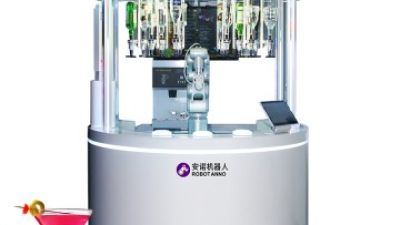
How an AI Robot Bartender Vending Machine Is Transforming Next-Generation Mixology with Ice-Making Technology

An Ai Robot Bartender vending machine is redefining next-generation mixology by bringing professional preparation techniques into compact, automated spaces. Designed to replicate the precision of a master bartender, it can coordinate ingredient dispensing, drink mixing, and presentation with consistent timing and accuracy. Its integrated ice-making technology adds another layer of freshness, producing properly chilled ice on demand and helping maintain the intended flavor, temperature, and texture of each beverage. This makes the system suitable for hotels, entertainment venues, offices, transportation hubs, and other high-traffic locations seeking efficient beverage service.

Behind its sleek operation is a combination of intelligent control, automated sanitation processes, and carefully engineered dispensing mechanisms. Users can select a beverage through an intuitive interface, while the machine manages measured portions and repeatable preparation with minimal staff intervention. The solution has received three professional quality certifications, including EU CE, US FCC, and China ISO9001 recognition. Supported by more than 70 national patents, a Chinese outstanding creator team, and national high-tech enterprise credentials, it reflects extensive investment in product development and manufacturing quality. Its technology has also been exported to more than 60 countries, offering a scalable approach to modern, convenient, and consistent beverage experiences.

FAQS

How should wholesale buyers evaluate a factory’s production capacity?

Ask for daily output, batch size, freezer tunnel speed, and peak-season availability. Confirm whether capacity supports private-label orders. Annual figures can look impressive. They are not always comparable.

Which factory certifications should buyers inspect?

Check valid HACCP, ISO 22000, FSSC 22000, or BRCGS documents. Verify the certificate holder, production address, audit date, and product scope. Review sanitation logs, allergen controls, and temperature records. An old certificate deserves caution.

What distribution details affect wholesale performance?

Review cold-storage sites, refrigerated trucks, port access, and delivery coverage. Regional warehouses can support emergency replenishment. Request temperature records from a sample shipment. Export staffing is easy to overlook.

What costs should be included in a wholesale quotation?

Request carton pricing, flavor-based MOQ, packaging fees, delivery terms, and replacement conditions. Larger orders may receive lower prices. Mixed flavors can require separate minimum quantities. A low quote may hide storage fees.

What is a practical minimum order quantity?

A starting MOQ may range from 100 to 500 cartons. Confirm the exact MOQ in writing. Packaging changes may create additional limits. Do not rely on verbal promises.

How should frozen desserts be stored and transported?

Keep products below −18°C during storage and transport. Use insulated vehicles, temperature loggers, and well-spaced pallets. Inspect the loading dock carefully. A warm dock can soften cartons quickly.

How can buyers check product condition after delivery?

Test one shipment before signing a large contract. Inspect ten cartons from different pallet positions. Measure core temperature, not only surface temperature. Products should arrive hard, clean, and free from frost damage.

Which labeling and compliance details require attention?

Check product names, ingredients, net content, dates, storage conditions, and nutrition information. Confirm destination-country language and allergen requirements. Recent laboratory reports can support the review. Labels should be rechecked before every major shipment.

How can buyers trace problems in a shipment?

Require batch codes linking finished cartons with raw material records. Ask for hazard plans, monitoring records, corrective actions, and verification results. A written change-control process is valuable. Specifications sometimes change without timely notice.

What should buyers confirm before approving a large order?

Review production timing, shelf life, customs documents, storage capacity, and replacement terms. Allow extra time for printed packaging. It often causes delays. I would still recheck every critical detail.

Conclusion

China’s ice cream market has reached an estimated RMB 180 billion and continues to grow by approximately 6–8% annually, creating strong opportunities for international buyers and wholesale distributors. This guide explains how to evaluate China’s top ice cream manufacturers through production capacity, factory certifications, quality-control systems, and regional distribution networks. It also highlights suppliers offering diverse product portfolios, including dairy, plant-based, low-sugar, and novelty ice cream options for different consumer preferences.

Key purchasing considerations include wholesale pricing, minimum order quantities, customized packaging, lead times, and cold-chain storage maintained below −18°C. Buyers should also review compliance with food-labeling and safety requirements such as GB 7718 and GB 28050, along with HACCP-based management and relevant export documentation. By comparing manufacturing strength, product quality, logistics reliability, and regulatory readiness, wholesalers can select dependable partners and build a more efficient, secure, and scalable ice cream supply chain.

Avery

Avery

Avery is a seasoned marketing professional at Robot Anno (Shenzhen) Co., Ltd., where he has been instrumental in driving the company’s growth since 2017. With a passion for robotics and automation, Avery specializes in promoting innovative solutions in the field of automated service, focusing on......
Previous How to Find Reliable Coffee Suppliers Worldwide?