Request a Quote
Certification
Leave Your Message
Submit Message
Call: +8616602860929
Email: celine@annorobots.com
WhatsApp Live Chat
Need Live Support?
Chat With Us Now
0%

The way people approach drinks around the world is really changing. Nowadays, bartending tools aren’t just for pros working behind fancy bars—they’re also for folks who love making drinks at home and want to do it well. When shopping for tools, folks are looking for things like speed, reliability, durability, and a good return on their investment. Let’s be honest—having a gorgeous shaker is nice, but it’s not everything. You need stuff that actually works.

According to the IWSR Drinks Market Analysis, the market for low- and no-alcohol beverages is still growing strong through 2028. That means more demand for precise tools like jiggers, mixing glasses, strainers, and presentation pieces. When it comes to flavor, small measurement differences can make a big impact—so accuracy really counts.

Plus, the National Restaurant Association’s 2024 report highlights ongoing struggles with high labor and operating costs. That’s why having efficient tools is such a game-changer—less waste, faster service during busy times, and more consistency all around.

For those making purchasing decisions globally, it’s super important to check out material quality, manufacturing standards, replacement parts, packaging, and how much support the supplier offers. For example, stainless steel thickness affects how comfortable it is to grip and how well it stands up over time. Silicone seals, after many washes, need to stay stable. And a bar spoon should just spin smoothly—don’t fall for pictures that just make it look shiny! Also, don’t forget to ask for food-contact certificates, factory inspection reports, and realistic shipping times—that builds trust.

This guide looks at ten key tools every international buyer should consider. We’ve factored in their usefulness in a busy bar, practicality for home bartenders, ease of maintenance, and shipping issues. Our sources include the IWSR Drinks Market Analysis, the National Restaurant Association, and Grand View Research’s insights into the barware market. Keep in mind, though—market reports give good guidance, but they’re not perfect. No ranking can be perfect either. For example, a fancy muddler won’t fix bad technique, and a cheap strainer might fail quickly under heavy use. That’s a gap worth paying attention to.

At the end of the day, reliable bartending tools are all about consistent performance, safety, and fitting into your actual workflow—whether you’re behind a bunch of fancy bars or just having fun at home.

Top 10 Bartending Tools for Global Buyers?

What Bartending Tools Are and Why Global Buyers Need Them

Top 10 Bartending Tools for Global Buyers

Bartending tools are practical instruments used to measure, mix, strain, garnish, and serve drinks. The essential ten include a shaker, jigger, strainer, mixing glass, bar spoon, muddler, peeler, bottle opener, ice tongs, and pourer. Each tool supports a specific task. A jigger improves portion control, while a strainer keeps unwanted ice and fruit pieces out of the glass.

Global buyers need these tools for more than visual appeal. Consistent sizing helps staff work accurately across different locations. Stainless steel is often preferred because it resists rust and handles frequent washing. However, material grades still require verification. A shiny surface does not always prove good quality. Ask for product specifications, dimensions, food-contact information, and sample testing before placing a large order.

Practical purchasing also involves packaging and local use. Handles should feel stable, even during busy service. Sharp peelers need protective covers. Small parts require secure packing to prevent damage during international transport. Buyers should check language requirements, import documents, and cleaning instructions for each market. In my view, appearance is sometimes overvalued. A beautiful tool that bends, leaks, or feels awkward will slow the team. That mistake is easy to make. Feedback from bartenders can reveal problems that product photos hide.

How to Choose a Reliable Cocktail Shaker for Different Bar Settings

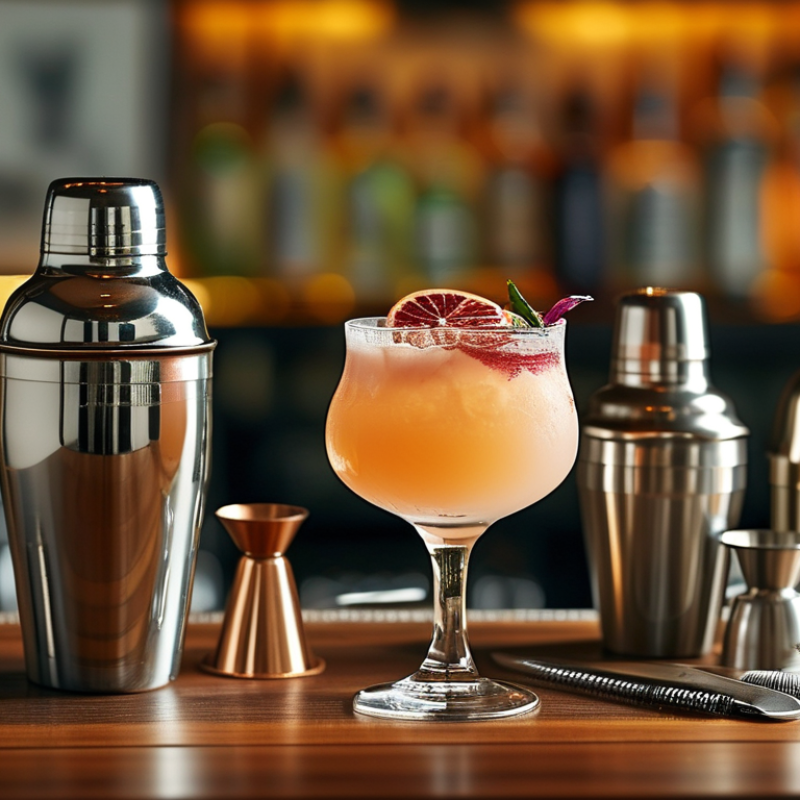
A reliable cocktail shaker must match the bar, not just the bartender’s style. In hotel bars, speed matters, so choose a three-piece shaker with a secure strainer and clear volume markings. In cocktail lounges, a two-piece Boston shaker often offers faster separation and better control during service. During bar trials, I check whether the tins open smoothly after vigorous shaking. A beautiful finish means little if the seal locks during a busy shift.

Material choice affects durability and hygiene. Food-grade stainless steel resists odor, corrosion, and repeated washing. A 2024 hospitality equipment review from the International Journal of Hospitality Management emphasizes cleanability and equipment reliability as practical drivers of service quality. Look for rolled edges, balanced weight, and a lid that does not wobble. Small details matter. Avoid excessively thin metal; it can dent easily and chill unevenly. However, heavier is not always better.

Global buyers should also consider local working conditions. UN Tourism reported about 1.4 billion international tourist arrivals in 2024, increasing pressure on hotels and destination bars. IWSR’s 2024 no- and low-alcohol study forecasts roughly 7% annual volume growth through 2028. That trend supports shakers suited to both alcoholic and alcohol-free recipes. My earlier mistake was choosing appearance over repairability. Now I ask about replacement parts, packaging protection, washing instructions, and corrosion testing. A dependable shaker should survive cold storage rooms, crowded service wells, and thousands of repeated movements.

Which Bar Spoons and Mixing Tools Support Precise Drink Preparation

For global buyers, precise drink preparation starts with the right bar spoon and mixing tools. A balanced bar spoon should feel stable between two fingers. Its long, twisted shaft supports smooth rotation in tall glasses. A shallow bowl helps control dilution and movement. A forked end can lift small garnishes without damaging them. Small details matter.

A practical ten-tool collection may include a standard bar spoon, weighted spoon, teardrop spoon, mixing glass, julep strainer, Hawthorne strainer, fine-mesh strainer, measuring jigger, ice scoop, and non-slip bar mat. Choose stainless steel with a smooth finish and clear volume markings. The spoon should reach the bottom of the mixing vessel without forcing the wrist. A sturdy mixing glass should stay steady during slow, continuous stirring. Avoid tools with sharp seams or loose joints.

I have found that weight affects control more than appearance. Some attractive spoons feel awkward after several rounds of stirring. That is easy to overlook. Test the handle with wet hands, because dry showroom samples can mislead. A heavier spoon may improve stability, but it can also tire beginners. Buyers should compare shaft length, bowl capacity, cleaning needs, and packaging protection. I still misjudge dilution occasionally. Even excellent tools cannot replace measured ice, consistent motion, and careful tasting.

Top 10 Bartending Tools for Global Buyers

Which Bar Spoons and Mixing Tools Support Precise Drink Preparation?

The chart compares common nominal measure sizes or vessel capacities used in professional and home bar setups. Jiggers and bar spoons support precise dosing, while mixing glasses, shakers, and pitchers provide working capacity for preparation and service. Actual specifications may vary by market and product design.

How Jiggers and Measuring Devices Improve Cocktail Consistency

Top 10 Bartending Tools for Global Buyers: How Jiggers Improve Cocktail Consistency

A jigger is a small tool with a large operational impact. It controls spirit volume, dilution, sweetness, and final alcohol strength. In busy bars, free-pouring can create noticeable differences between two identical orders. A calibrated jigger gives each bartender the same physical reference. Graduated markings also help with syrups, juices, bitters, and other liquid ingredients. Keep it visible. Keep it clean.

The National Restaurant Association’s 2024 State of the Restaurant Industry Report projects U.S. restaurant sales above one trillion dollars. It also highlights continuing labor and training pressures. Consistent measuring devices can shorten training and reduce recipe variation across shifts. IWSR’s 2024 beverage market analysis describes increasingly diverse drinking preferences. That change makes accurate portions more useful, especially when guests expect balanced flavor and transparent serving sizes.

Choose devices with readable markings, stable handling, and corrosion-resistant construction. A narrow cup may reduce spills, but it can slow service. A wide cup may work faster, yet it can encourage careless pours. Test both sizes with water and a certified measuring cylinder. Small errors remain easy to miss. They still matter.

One practical weakness deserves attention: markings can fade, and staff may ignore them during rush periods. Managers should check calibration regularly and observe real service, not only training drills. Measurement is not glamorous. It protects consistency.

What Strainers, Muddlers, and Peelers Add to the Bartending Process

For global buyers, bartending tools should be judged by control, durability, and cleaning performance. A strainer does more than remove ice. Its spring should sit firmly against different mixing glasses, while its perforations retain ice chips, herbs, and fruit pulp. Small details matter. In busy service, a loose strainer slows pouring and creates inconsistent texture. Buyers should check stainless steel quality, handle balance, and resistance to repeated washing.

A muddler controls how ingredients release flavor. Use gentle pressure for herbs, and firmer pressure for solid fruit. Over-crushing herbs can create bitterness. Wood feels warm and traditional, but it may absorb moisture and odors. Stainless or food-grade polymer versions are often easier to sanitize. I once underestimated handle length when testing a muddler. It worked, but the grip felt awkward during repeated use. That experience changed my purchasing checklist.

A peeler shapes aroma as much as appearance. A sharp, stable blade removes thin citrus oils without taking excessive white pith. Thick pith can add unwanted bitterness. Peelers also expose manufacturing quality through wobbling blades and rough edges. When comparing suppliers, ask about food-contact materials, corrosion resistance, and replacement procedures. Request a sample first. A tool may look perfect in a catalog, yet perform poorly with firm fruit. Performance matters more.

Top 10 Bartending Tools for Global Buyers: What Strainers, Muddlers, and Peelers Add to the Bartending Process
No. Tool Primary Function Common Materials and Design Value Added to the Bartending Process Key Considerations for Global Buyers
1 Cocktail Shaker Mixing & chilling Stainless steel; two-piece or three-piece construction; typical capacity of 500–750 ml Rapidly chills, dilutes, and aerates drinks. It combines ingredients that do not naturally mix well, such as citrus juice and spirits. Check leak resistance, lid fit, insulation, weld quality, and compatibility with local volume standards.
2 Hawthorne Strainer Filtering Stainless steel frame with a spring; designed to fit a shaker or mixing tin Separates chilled liquid from ice and larger pulp or herb particles while allowing controlled pouring. Look for a secure spring, comfortable grip, corrosion resistance, and a size that fits standard shaker openings.
3 Julep Strainer Filtering Perforated stainless steel bowl with a broad rim and handle Holds back ice when pouring from a mixing glass and supports a smooth, low-agitation pour. Evaluate bowl depth, perforation pattern, handle balance, and suitability for the intended glassware.
4 Fine-Mesh Strainer Fine filtering Fine stainless-steel mesh with a handle and resting tabs or a supporting rim Removes small ice shards, citrus pulp, seeds, and fine herb particles for a cleaner texture and appearance. Inspect mesh uniformity, frame strength, cleanability, and whether the handle supports one- or two-handed service.
5 Bar Spoon Stirring & layering Long shaft, twisted or straight handle, and small bowl; commonly stainless steel Stirs drinks with minimal splashing, reaches tall glasses, measures small quantities, and can assist with layered pours. Compare shaft length, bowl capacity, handle balance, surface finish, and comfort during repeated service.
6 Muddler Macerating Food-contact wood, stainless steel, or durable composite; textured or smooth pressing end Releases aromas, oils, juice, and flavor from herbs, fruit, and sugar without requiring a separate preparation step. Prioritize non-toxic food-contact materials, a durable head, easy sanitation, and a design that limits excessive crushing of herbs.
7 Citrus Peeler or Y-Peeler Garnishing Sharp stainless-steel blade with a non-slip handle; some designs include a channel cutter Creates consistent citrus ribbons and removes aromatic zest for garnish or oil expression over the drink. Check blade sharpness, handle ergonomics, protective packaging, corrosion resistance, and ease of replacement or sharpening.
8 Jigger Measuring Dual-sided stainless-steel measure; common capacities include 15/30 ml and 30/45 ml Improves recipe consistency, controls alcohol use, and supports accurate costing across individual serves. Confirm marked capacities, measurement accuracy, readable graduations, local legal requirements, and dishwasher suitability.
9 Ice Scoop and Tongs Ice handling Food-grade metal or durable plastic; scoop volume varies by service need; tongs have serrated or textured ends Transfers ice hygienically and helps control portion size while reducing direct hand contact with ready-to-serve ingredients. Review handle length, drainage, grip, edge safety, load capacity, and compliance with local food-contact standards.
10 Bar Knife and Cutting Board Preparation Compact stainless-steel knife with a food-safe, non-porous cutting surface Supports fast preparation of citrus wheels, wedges, fruit, and garnish components while keeping cutting tasks organized. Consider blade protection, board sanitation, slip resistance, storage footprint, and food-safety requirements for commercial use.
All capacities and material descriptions represent commonly used commercial specifications; exact dimensions and regulatory requirements may vary by market and application.

How to Compare Material, Durability, Safety, and Maintenance

Top 10 Bartending Tools for Global Buyers: How to Compare Material, Durability, Safety, and Maintenance

Material choice affects every pour, rinse, and service cycle. Food-grade 304 stainless steel offers strong corrosion resistance and fewer surface defects. Copper looks attractive, but it needs careful cleaning and may react with acidic ingredients. Plastic tools should be tested for odor absorption, cracking, and food-contact compliance. The U.S. FDA Food Code 2022 recommends smooth, cleanable, and corrosion-resistant food-contact surfaces.

Durability requires more than thick metal. Check welds, hinge points, spring tension, and measurement markings before purchasing. The CDC estimates that contaminated food causes about 48 million illnesses annually in the United States. That figure makes sanitation a purchasing issue, not merely a bar routine. Choose tools that can withstand repeated washing without losing shape or releasing loose parts. NSF/ANSI 2 provides useful guidance for commercial food-service equipment, although local requirements still differ. I sometimes overvalue a polished finish. It can hide weak construction.

Tips: Wash shakers, strainers, jiggers, and spoons immediately after use. Dry them fully before storage, especially in humid climates. Avoid abrasive pads on measured surfaces. Inspect seams weekly. Replace tools with deep scratches, rust spots, or unstable handles. Keep cleaning records for commercial teams. Small gaps matter.

What Global Buyers Should Check in Suppliers, Standards, and Shipping

Top 10 Bartending Tools for Global Buyers?

Global buyers should inspect suppliers before comparing prices. A shaker may look polished, yet weak welds can leak during service. Request material certificates, food-contact test reports, and batch traceability. Stainless steel tools should clearly state their grade and finish. For silicone items, ask about temperature limits and migration testing. In the European market, Regulation (EC) No. 1935/2004 requires food-contact materials to remain safe and not transfer harmful substances. The United States also applies food-contact requirements under 21 CFR. Standards differ. Verify the destination market.

Supplier reliability needs evidence, not attractive catalog images. Ask for factory audit records, production capacity, inspection procedures, and replacement terms. Sample ten-piece sets from different batches. Check the jigger markings, strainer spring tension, and handle balance by hand. Small defects become expensive complaints. I would not trust one successful sample alone.

Shipping deserves equal attention. UNCTAD’s Review of Maritime Transport 2024 states that over 80% of global merchandise trade by volume moves by sea. Delays can affect seasonal hospitality orders. Request carton dimensions, gross weight, pallet details, and clear Incoterms 2020 responsibilities. Use drop-tested packaging, corner protection, and moisture barriers for long routes. The World Bank’s Logistics Performance Index 2023 highlights customs, infrastructure, shipment quality, and tracking as key logistics factors. Tracking helps. It cannot repair poor packing. Some buyers still overlook this practical weakness.

FAQS

: How should a cocktail shaker match a bar setting?

: Choose a three-piece shaker for busy hotel bars. Clear volume markings help new staff work faster. A two-piece shaker suits lounges needing quick separation. Test it during vigorous shaking.

What features show that a shaker is reliable?

Look for food-grade stainless steel, rolled edges, and balanced weight. The lid should sit firmly without wobbling. Check whether the tins open smoothly after shaking. A shiny finish is not enough.

Is a heavier shaker always better?

No. Excessive weight can slow repeated movements. Very thin metal may dent or chill unevenly. Hold the shaker with wet hands. Small details matter.

Why does material choice affect hygiene?

Quality stainless steel resists odors, corrosion, and repeated washing. Smooth surfaces are easier to clean. Avoid deep scratches and weak welds. Cleaning still needs daily attention.

How does a jigger improve drink consistency?

It controls liquid volume, dilution, sweetness, and strength. Graduated markings guide spirits, juices, syrups, and bitters. Free-pouring can create different results between identical orders. Keep it visible. Keep it clean.

What should buyers check when choosing a measuring device?

Choose readable markings, stable handling, and corrosion-resistant construction. A narrow cup may reduce spills but slow service. A wide cup may encourage careless pours. Test both with water.

How can managers prevent measuring errors during busy shifts?

Check calibration regularly with a certified measuring cylinder. Watch real service, not only training exercises. Markings can fade. Staff may ignore them. That weakness is easy to miss.

What should global buyers request from suppliers?

Request material certificates, food-contact reports, and batch traceability. Ask about factory inspections, replacement parts, and washing instructions. Test samples from several production batches. One successful sample proves little.

What shipping details protect bar equipment?

Request carton dimensions, gross weight, pallet information, and delivery responsibilities. Use drop-tested cartons, corner protection, and moisture barriers. Poor packaging can ruin good equipment. Tracking helps, but it cannot fix damage.

Conclusion

This guide explores the top bartending tools global buyers need to create consistent, efficient, and professional drink service in different bar settings. It explains how to choose cocktail shakers according to capacity, design, handling, and work environment, while also reviewing bar spoons and mixing tools that support smooth stirring and accurate preparation. Jiggers and other measuring devices are presented as essential for portion control and repeatable results, helping teams maintain consistent recipes across locations.

The article also examines the roles of strainers, muddlers, and peelers in filtering, extracting, and finishing drinks. Buyers will learn how to compare stainless steel, glass, and other suitable materials based on durability, safety, hygiene, and maintenance needs. Finally, it outlines what to check when evaluating suppliers, including product quality, manufacturing standards, packaging, documentation, lead times, and international shipping arrangements. Together, these points provide a practical framework for selecting dependable bartending equipment for professional use worldwide.

Blog Tags:

    Avery

    Avery

    Avery is a seasoned marketing professional at Robot Anno (Shenzhen) Co., Ltd., where he has been instrumental in driving the company’s growth since 2017. With a passion for robotics and automation, Avery specializes in promoting innovative solutions in the field of automated service, focusing on......
    Previous Top 10 Cocoa Suppliers for Global Buyers?