Coffee is honestly one of those drinks that pretty much everyone loves around the world. People aren’t just into it because it tastes amazing and smells fantastic — though, let's be honest, that’s a big part of the appeal — but also because it gives you that nice little boost of energy to get you going. I mean, for so many of us, starting the day with a hot cup of coffee has kinda become a daily ritual. It’s like, wake up, coffee, and then face the day! But, beyond how good it tastes and how it helps us stay alert, there's been lots of talk and research about how coffee actually affects our health — some good, some not so much.
In this article, I want to dive into all the different sides of coffee — the benefits, the downsides, and everything in between. From how it can help sharpen your mind and lift your mood, to its impact on metabolism — coffee’s effects are pretty complex. We’ll also take a peek at how people across different cultures enjoy coffee in unique ways, and why it’s more than just a drink — it’s a social thing, too. Getting a better handle on how coffee interacts with our bodies can help us make smarter choices about how much we drink and how it fits into our overall health. So, let’s explore the fascinating world of coffee together!

What is Coffee? An Overview of Its Composition and Varieties
Coffee is a complex beverage composed of over a thousand compounds, with caffeine being the most notable due to its stimulating effects. In terms of composition, coffee beans are primarily made up of water (about 90%), carbohydrates, lipids, proteins, and various bioactive compounds that contribute to flavor and health benefits. A report from the National Coffee Association notes that the average cup of coffee contains approximately 95 milligrams of caffeine, but this can vary widely depending on the brewing method and type of coffee used. For example, espresso and robusta beans typically contain higher caffeine levels compared to regular hand-drip coffee.
Diversity in coffee varieties also plays a significant role in its impact on health. Arabica and Robusta are the two primary species, with Arabica being generally sweeter and more aromatic, while Robusta offers a stronger, somewhat bitter flavor. Studies have shown that the compounds found in coffee, such as antioxidants and polyphenols, can positively impact heart health and may even lower the risk of certain diseases, including type 2 diabetes and Parkinson's disease. According to research published in the journal "Circulation," moderate coffee consumption—defined as three to five cups a day—has been associated with a 15% lower risk of heart disease, highlighting the potential health benefits derived from the beverage when consumed responsibly.
What is Coffee and How Does It Impact Your Health and Energy Levels
| Composition | Varieties | Health Benefits | Potential Risks |
| Caffeine, Antioxidants, Vitamins (B2, B3, B5), Minerals (Magnesium, Potassium) | Arabica, Robusta, Liberica, Excelsa | Improved energy levels, Enhanced mental alertness, Potential fat burning, Reduced risk of certain diseases | Insomnia, Increased heart rate, Anxiety, Digestive issues |
| Chlorogenic acids, Lipids, Carbohydrates | Single Origin, Blends, Decaf, Instant | Antioxidant properties, Liver health support, Lower risk of Type 2 Diabetes | Addiction potential, Withdrawal symptoms, Pregnancy concerns |
| Niacin, Essential oils, Proteins | Espresso, Americano, Cappuccino, Cold Brew | May help improve mood, Social interaction benefits | High blood pressure, Possible bone health impact |
The History of Coffee: From Bean to Brew
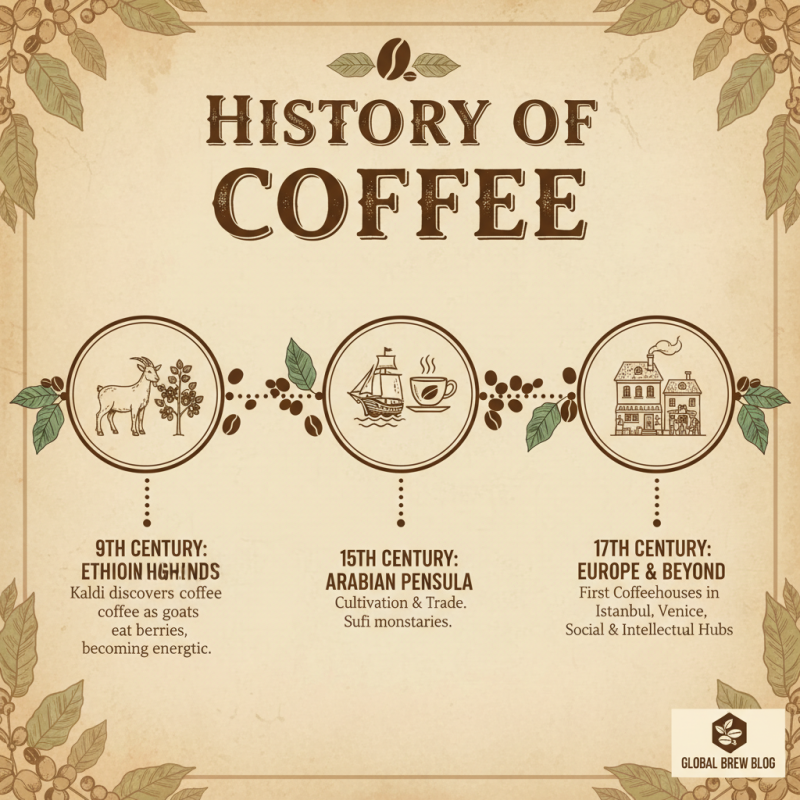
The history of coffee is a fascinating journey that spans centuries and continents, evolving from its humble beginnings to a global phenomenon. Originating in the Highlands of Ethiopia, coffee was discovered in the 9th century by a goat herder named Kaldi, who noticed that his goats became unusually energetic after consuming the beans of the coffee plant. Coffee made its way to the Arabian Peninsula in the 15th century, where it was cultivated and traded widely, eventually spreading to Europe and beyond by the 17th century. The first coffeehouses began to pop up in cities like Istanbul and Venice, forming cultural hubs that fostered social interaction and intellectual discussion.
As coffee became popular, various studies have examined its health benefits and potential drawbacks. According to the National Coffee Association, approximately 64% of American adults report drinking coffee daily, highlighting its role as a staple in modern diets. Research published in the Journal of the American College of Cardiology shows that moderate coffee consumption—about three to five cups per day—can be associated with a reduced risk of various cardiovascular diseases. Moreover, caffeine, a primary component of coffee, is known to boost cognitive function and improve energy levels, making it a common choice for individuals seeking a midday pick-me-up.
Tips: If you're looking to maximize the benefits of coffee, consider timing your consumption strategically. Drinking coffee in moderation, particularly about 30 minutes to an hour before a workout, can enhance physical performance and increase endurance. Additionally, opting for quality beans and brewing methods may not only elevate taste but also improve the overall health benefits associated with your daily cup.
How Caffeine Affects the Human Body and Brain
Caffeine, the active ingredient in coffee, exerts a significant influence on both the human body and brain. When ingested, caffeine quickly enters the bloodstream and reaches the brain, where it blocks the inhibitory neurotransmitter adenosine. As adenosine's calming effect is reduced, neuronal activity increases, leading to the release of other neurotransmitters such as dopamine and norepinephrine. This process enhances mood, energy levels, and cognitive function. According to a study published in the Journal of Psychopharmacology, moderate caffeine consumption can improve alertness and reaction time, making it a popular choice for enhancing productivity.
Moreover, research has shown that caffeine can have various health implications. The American Journal of Clinical Nutrition indicated that individuals consuming moderate amounts of caffeine (around 300 mg per day, or approximately three cups of coffee) may experience reduced risks of certain diseases, including Parkinson's and Alzheimer's. It also suggests that caffeine can improve metabolic rates temporarily, potentially aiding in weight management. However, excessive caffeine intake may lead to insomnia, anxiety, and increased heart rate, underlining the importance of moderation in consumption to fully leverage its cognitive benefits while minimizing adverse effects.
Health Benefits of Coffee: Evidence and Research Findings
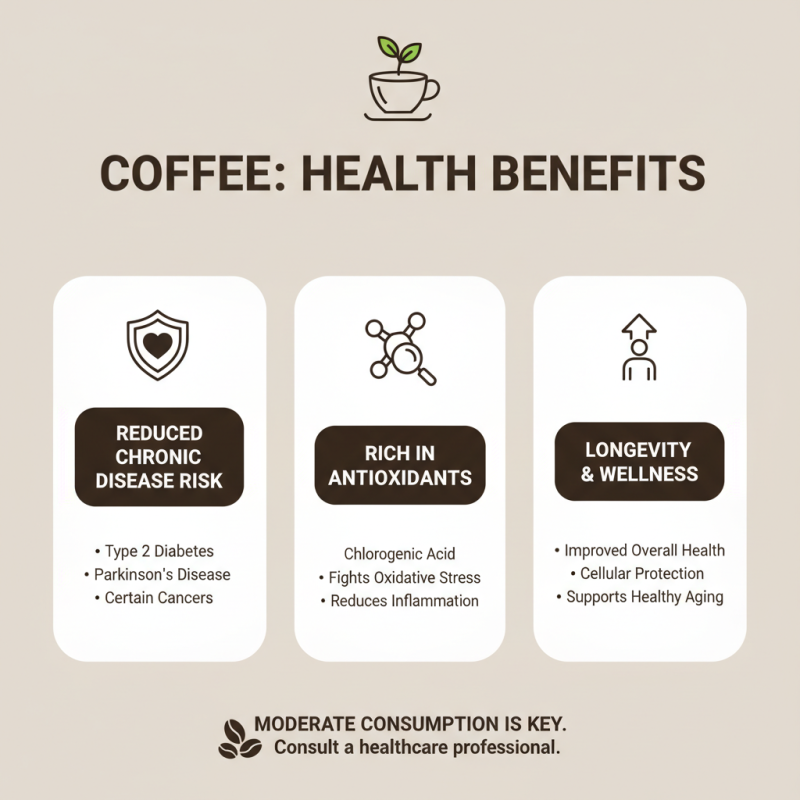
Recent research has illuminated the numerous health benefits of coffee, expanding our understanding of this widely consumed beverage. Studies have shown that moderate coffee consumption can lead to a reduced risk of several chronic diseases, including type 2 diabetes, Parkinson's disease, and certain types of cancer. The antioxidants found in coffee, such as chlorogenic acid, play a significant role in combatting oxidative stress and inflammation in the body. This rich antioxidant profile is one reason why coffee is often associated with longevity and improved overall health.
Moreover, coffee has been linked to enhanced cognitive function and an increase in energy levels. The caffeine in coffee stimulates the central nervous system, improving alertness, concentration, and mood. Research indicates that regular coffee drinkers may experience a lower risk of cognitive decline as they age, making it a potential ally in maintaining mental sharpness. Additionally, coffee consumption has been connected to increased metabolic rates, assisting in fat burning and physical performance during exercise, further emphasizing its role as a functional beverage that provides both health and energy benefits.
The Negative Effects of Excessive Coffee Consumption
Excessive coffee consumption is a topic that warrants critical attention, especially considering the widespread popularity of this beverage. According to a report from the National Institutes of Health, while moderate coffee consumption can have certain health benefits, such as improved mental alertness, the same cannot be said for high intake levels. Consuming more than four cups a day has been linked to a range of negative health effects, including increased anxiety, disrupted sleep patterns, and digestive issues. Furthermore, a study published in the American Journal of Clinical Nutrition highlights that excessive caffeine intake can lead to heightened stress responses, stimulating the body's 'fight or flight' system and potentially causing heart palpitations and elevated blood pressure.
Moreover, the relationship between coffee consumption and energy levels is complex. While caffeine can provide a temporary boost, over-reliance on coffee can lead to increased tolerance and dependency, ultimately resulting in decreased energy levels when not consumed. The Academy of Nutrition and Dietetics suggests that excessive coffee drinkers may experience withdrawal symptoms, such as fatigue and irritability, when they reduce their caffeine consumption. This cycle can create a paradox where individuals find themselves needing more coffee just to maintain their usual energy levels, leading to a harmful upward spiral of consumption that could have lasting health implications.
Coffee and Energy Levels: Myths and Realities
When it comes to coffee, many people associate it with an immediate boost in energy and alertness. However, the relationship between coffee and energy levels is often misunderstood, leading to various myths. For instance, it is a common belief that drinking coffee can help you wake up and feel energized even if you didn’t get enough sleep. In reality, while caffeine can temporarily enhance alertness, it doesn’t replace the restorative effects of sleep. Over-reliance on coffee to compensate for lack of rest can lead to increased tolerance, reducing its stimulating effects over time.
It's also important to note that coffee affects everyone differently. Some individuals may experience heightened energy and focus after consuming caffeine, while others might feel jittery or anxious. The key lies in understanding your personal limits and how coffee interacts with your body.
Tip: To maximize the benefits of coffee without the crashes, consider enjoying it in moderation—one to two cups a day is often sufficient. Additionally, pair your coffee intake with a balanced diet and regular hydration to maintain stable energy levels throughout the day. Remember, the best source of sustained energy is a healthy lifestyle that includes proper sleep, balanced nutrition, and regular exercise.
Brewing Methods and Their Impact on Flavor and Health
Brewing methods significantly influence both the flavor profile and health benefits of coffee, creating varying experiences that cater to different preferences. According to a report published by the Specialty Coffee Association, common brewing techniques such as French press, pour-over, and espresso yield distinct flavor characteristics due to their unique extraction processes. For instance, the French press, which allows coffee grounds to steep in hot water, tends to produce a fuller-bodied beverage, rich in oils and flavor compounds, but may also retain more cafestol—a compound linked to cholesterol elevation.
In terms of health impacts, the brewing method can also determine the antioxidant levels in coffee. Research from the Journal of Agricultural and Food Chemistry indicates that brewing methods like cold brew can lead to higher concentrations of certain antioxidants while reducing acidity, which may be beneficial for individuals with sensitive stomachs. Conversely, espresso, while lower in volume, is denser in some bioactive compounds, meaning it may provide a concentrated energy boost.
Other studies have illustrated that methods that involve longer brewing times may extract more beneficial compounds, emphasizing the importance of both technique and time in maximizing the healthful properties of coffee.
Transforming Coffee Culture: Insights from Industry Reports on the Rise of AI-Powered Mobile Café Innovations
The rise of AI-powered mobile cafés marks a significant transformation in coffee culture, merging technology with the love for coffee. These innovations bring convenience and efficiency to consumers, allowing them to enjoy freshly brewed coffee anytime, anywhere. With features such as an automated robot arm, these machines prepare a variety of coffee flavors from freshly ground beans, ensuring a delightful experience tailored to diverse preferences. The integration of AI technology not only enhances precision in coffee brewing but also empowers the machine to learn and adapt to customer tastes over time.
In an era where convenience is king, the ability to open a coffee vending solution in any location without the need for human staff is a game-changer. Operating 24 hours a day, these Robot Coffee Machines cater to consumers' cravings at any time, supporting a wide array of payment methods for seamless transactions. Whether at a bustling train station, an office park, or a remote location, mobile cafés equipped with AI technology can deliver a quality coffee experience backed by recognized professional certifications such as EU CE, US FCC, and China ISO9001. This versatility makes them an attractive option for entrepreneurs looking to tap into the evolving coffee market, as they provide comprehensive coverage in high-traffic areas while maintaining high standards of quality and service.
FAQS
: Caffeine blocks the inhibitory neurotransmitter adenosine, leading to increased neuronal activity and the release of neurotransmitters like dopamine and norepinephrine, which can enhance mood, energy levels, and cognitive function.
Moderate caffeine intake (about 300 mg per day) may reduce the risks of diseases such as Parkinson's and Alzheimer's, improve metabolic rates, and aid in weight management.
Yes, research indicates that moderate coffee consumption is associated with a reduced risk of chronic diseases, including type 2 diabetes, Parkinson's disease, and certain cancers.
Antioxidants in coffee, like chlorogenic acid, help combat oxidative stress and inflammation, which may be linked to longevity and improved overall health.
While coffee can temporarily enhance alertness, it does not replace the need for sleep. Over-reliance on coffee can lead to increased tolerance and diminished effects over time.
Individual responses to coffee can vary, with some experiencing increased energy and focus, while others may feel jittery or anxious. It’s important to understand personal limits.
To maximize the benefits of coffee without experiencing crashes, it's suggested to consume one to two cups a day, along with a balanced diet and regular hydration.
Yes, regular coffee consumption has been linked to a lower risk of cognitive decline as individuals age, potentially aiding in the maintenance of mental sharpness.
Enjoy coffee in moderation, approximately one to two cups a day, and combine it with healthy lifestyle practices like proper sleep, balanced nutrition, and regular exercise for stable energy levels.
The best source of sustained energy comes from a healthy lifestyle that includes proper sleep, balanced nutrition, and regular exercise rather than solely relying on coffee or caffeine.
Conclusion
Coffee is a popular beverage known for its rich variety and complex composition. From its origins as a simple bean to its intricate brewing methods, coffee has a fascinating history that has shaped its cultural significance worldwide. The caffeine in coffee has profound effects on the human body and brain, enhancing alertness and energy levels, though it comes with potential drawbacks when consumed excessively.
Research highlights several health benefits associated with moderate coffee consumption, including improved cognitive function and a reduced risk of certain diseases. However, it is important to separate myths from realities regarding coffee's impact on energy levels. Different brewing methods can also influence the flavor and health properties of coffee, making it a versatile drink enjoyed in various forms. Understanding these elements can enhance one’s appreciation and enjoyment of coffee as part of a balanced lifestyle.