You know, cocoa is pretty much a cornerstone of the global food scene, especially when it comes to making chocolate. And get this—according to the World Cocoa Foundation, the market for cocoa is expected to hit around $13.1 billion by 2025. That’s mostly because people everywhere are just eating more chocolate, especially in developing countries where demand is really picking up. But it’s not all smooth sailing; there are some serious hurdles, like climate change and social issues in the countries that grow cocoa, which can’t be ignored.
If you really want to understand the cocoa game worldwide, you’ve got to get to know its supply chain inside out. Countries like Côte d’Ivoire and Ghana are major players—they’re responsible for nearly 60% of all the cocoa out there. And more companies are jumping on the bandwagon to source their cocoa sustainably. They’re trying to do right by tackling problems like child labor and deforestation, which are unfortunately still big issues. The International Cocoa Organization keeps emphasizing that being responsible isn’t just the right thing to do—it’s actually crucial for the industry to stay viable in the long run.
Honestly, navigating the global cocoa market feels pretty complicated. Trends go in and out, and what’s in demand can change really quickly. So, importers and exporters alike gotta stay sharp and keep up with these shifts if they want to make smart business moves. It’s a landscape full of both opportunities and challenges, and it really calls for constant adjustments and smart strategies when it comes to sourcing cocoa.
Definition and Origin of Cocoa
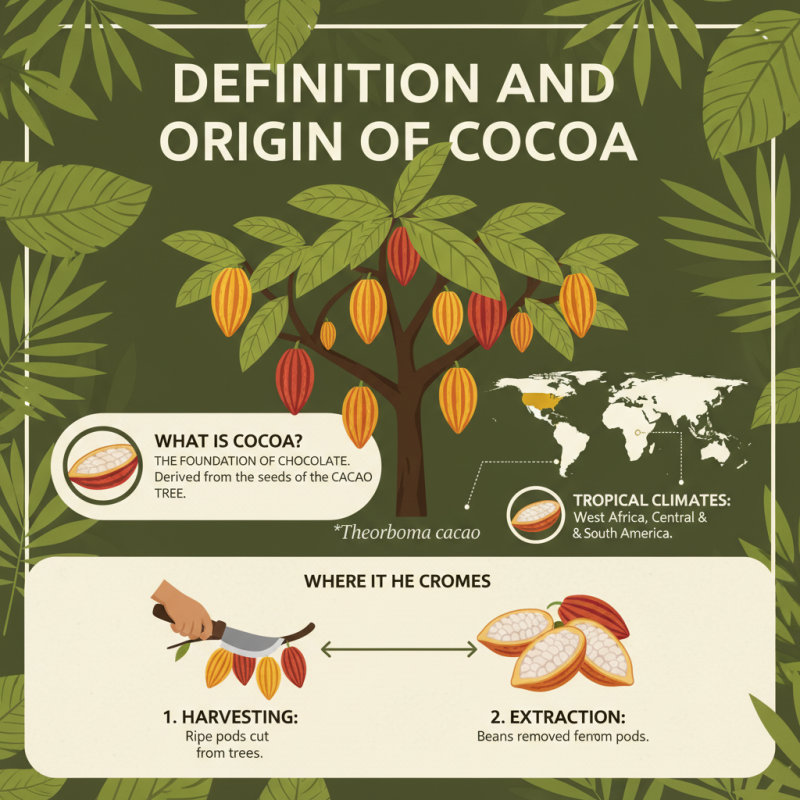
Cocoa is the foundation of chocolate. It comes from the seeds of the cacao tree, known scientifically as Theobroma cacao. This tree thrives in tropical climates, primarily found in West Africa, Central America, and South America. The journey of cocoa begins with the harvesting of ripe cacao pods. Farmers carefully cut these pods from the trees to extract the beans within.
The beans undergo fermentation, which is essential for developing their rich flavor. After fermentation, they are dried in the sun. This process can take several days and significantly impacts the beans' quality. Cocoa's history dates back thousands of years. Ancient civilizations such as the Olmecs and Maya prized cocoa beans for their versatility. They used them not only as food but also in religious ceremonies and as currency.
Despite its significance, the cocoa industry faces challenges. Farmers often struggle with low prices and climate changes affecting their crops. These issues raise questions about sustainability and ethical practices in cocoa production. Understanding its origins and complexities is crucial for appreciating cocoa's role in our lives.
Global Cocoa Production Regions
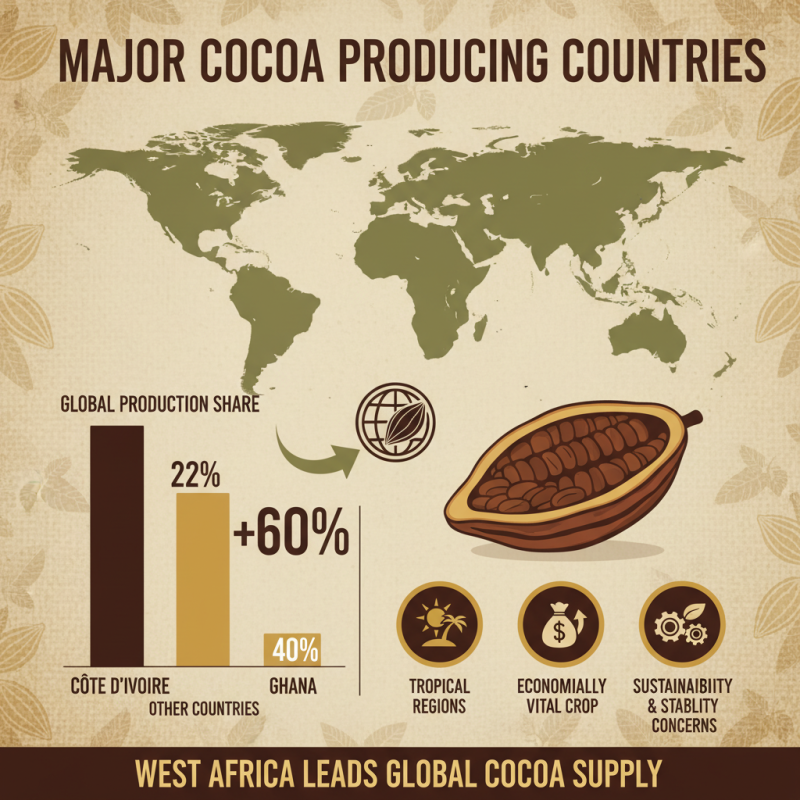
Cocoa is primarily cultivated in tropical regions. West Africa leads in global production, contributing about 70% of total output. The two largest producers, Côte d'Ivoire and Ghana, are essential for the cocoa supply chain. According to the International Cocoa Organization, these countries produced over 4 million metric tons collectively in 2021.
Other significant regions include Southeast Asia and Latin America. Indonesia and Brazil are key players, with Indonesia reaching over 600,000 metric tons in annual cocoa production. Climate change affects these areas as well. Droughts and diseases threaten yields, challenging the industry's sustainability.
Farmers face rising costs and uncertain futures, making procurement a complex task. Purchasing cocoa globally requires understanding these production regions and their challenges. It’s crucial to consider ethical sourcing, as many local farmers struggle with fair wages and working conditions. Continuous monitoring of agricultural practices is vital to ensure that sourcing does not contribute to environmental degradation. Sustainable practices are necessary, but the transition can be slow and require substantial investment.
Major Cocoa Producing Countries
Cocoa is a vital agricultural product, primarily grown in tropical regions. The majority of the world’s cocoa is produced in West Africa, with Côte d'Ivoire and Ghana leading the charge. According to the International Cocoa Organization, these two countries account for nearly 60% of global cocoa production. This heavy concentration raises concerns about sustainability and economic stability in these regions.
Other notable producers include Indonesia and Ecuador. While Indonesia has shifted its focus from palm oil to cocoa, Ecuador is known for its fine flavor cocoa, which holds a premium in the market. However, geopolitical factors and climate change threaten the cocoa supply chain. Reports indicate that cocoa yield can decrease by 20% due to rising temperatures.
Tips: When sourcing cocoa, always consider the origin and production methods. Look for certifications that ensure sustainable practices. Transparency in supply chains is crucial for ethical procurement. Engaging directly with growers can also provide insights into quality and pricing.
Navigating global cocoa procurement requires awareness of market fluctuations. Political instability or poor harvests in key producing countries can affect prices. The reliance on just a few countries for cocoa creates a risk—diversifying suppliers can mitigate this. Engaging with multiple sources is a practical approach to ensure continuity.
Cocoa Harvesting and Processing Methods
Cocoa harvesting is a labor-intensive process. Farmers typically use machetes to cut cocoa pods from the trees. Each pod contains cacao beans, which need to be fermented for several days. This fermentation process enhances flavor. According to the International Cocoa Organization, about 70% of the world’s cocoa is produced in West Africa. The region’s unique climate and soil conditions contribute to the quality of the cocoa.
After fermentation, the beans are dried under the sun. This step is crucial, as moisture can lead to mold. Once dried, beans undergo roasting, which further develops their flavor profile. The roasting temperature and duration can vary, affecting the final product. A report by Statista highlighted that global cocoa production reached 4.7 million metric tons in the 2020/2021 season. Despite this high volume, quality control is often inconsistent.
Post-roasting, beans are cracked to separate the nibs, which are ground into cocoa liquor. This liquor can then be processed into cocoa powder and butter. The processing methods can vary significantly. Some producers focus on artisanal methods, while others rely on large-scale production. Each approach has its merits and pitfalls. The industry faces challenges, such as fluctuating prices and ethical sourcing issues. Without addressing these concerns, the sustainability of cocoa production may be at risk.
What is Cocoa and How to Procure It Globally? - Cocoa Harvesting and Processing Methods
| Country | Annual Production (Metric Tons) | Harvesting Period | Main Processing Methods | Export Volume (Metric Tons) |
| Ivory Coast | 2,000,000 | October to March | Fermentation, Drying, Roasting | 1,500,000 |
| Ghana | 883,000 | September to March | Fermentation, Sun-drying, Grinding | 600,000 |
| Indonesia | 659,776 | April to November | Fermentation, Roasting, Conching | 400,000 |
| Ecuador | 300,000 | June to December | Controlled Fermentation, Drying | 200,000 |
| Nigeria | 287,000 | October to February | Fermentation, Mechanical Drying | 150,000 |
Sustainable Cocoa Sourcing and Certification
Cocoa is a vital ingredient in many beloved products. Its sourcing, however, poses challenges. The increasing demand for sustainable practices has led many companies to seek ethically sourced cocoa. Sustainable sourcing involves not just environmental care, but also respect for farmer welfare.
Certification plays a crucial role in sustainable cocoa sourcing. Various organizations establish standards to ensure ethical practices. Farmers receive fair wages, and biodiversity is protected. Certifications like Fair Trade or Rainforest Alliance encourage responsible farming. Yet, some certifications can be complex and costly for small farmers.
While the movement towards sustainable cocoa is growing, challenges remain. Many farmers struggle with the financial burden of meeting certification requirements. Transparency in supply chains is often lacking. It's essential for consumers to understand these nuances. A more sustainable cocoa industry will require collective effort and unwavering commitment from all parties involved.
Challenges in Global Cocoa Supply Chains
Cocoa is a vital commodity in the global market. However, its supply chain is fraught with challenges. The cocoa industry faces issues related to sustainability, labor rights, and environmental protection. For instance, the World Cocoa Foundation reported that nearly 1.5 million children work in cocoa production. This raises ethical concerns for brands and consumers alike.
Climate change further complicates the global cocoa supply. A study from the International Cocoa Organization predicts a potential 30% decline in cocoa production by 2050 due to rising temperatures. Farmers, mostly in West Africa, struggle with unpredictable weather patterns. This leads to fluctuating prices and unreliable supply, affecting everyone in the chain from producers to consumers.
Ethical sourcing practices are becoming essential. Transparency is needed at every level of production. According to a report by Fairtrade International, only 30% of cocoa farmers earn a living wage. The industry must reflect on these statistics. Addressing these challenges is crucial for building a fair and sustainable future in cocoa supply chains.
Future Trends in Cocoa Procurement
The future of cocoa procurement will undergo significant transformations. Sustainability is a critical focus. Producers are facing increasing pressure to adopt eco-friendly practices. This shift is essential, given the threats posed by climate change. Farmers need support in implementing these changes to ensure high-quality yield.
Technological advancements will play a vital role. Blockchain technology could enhance traceability. It helps ensure that cocoa is sourced ethically and transparently. However, this technology is not without its challenges. Many small-scale farmers lack access to the necessary tools and knowledge. Bridging this gap is key to improving global procurement.
Consumer preferences are shifting as well. More individuals are demanding sustainably sourced cocoa. Brands must respond to this trend to remain relevant. These changes will require a rethinking of supply chains. The focus will shift toward regional sourcing in some cases. This approach could strengthen local economies but may complicate global trade dynamics. The future is uncertain, but adaptability will be crucial in navigating these complexities.
FAQS
: Cocoa harvesting is labor-intensive. Farmers use machetes to cut pods from trees. Each pod has cacao beans inside.
Fermentation enhances the flavor of cocoa beans. It typically lasts several days and is crucial for quality.
After fermentation, beans are sun-dried. This step is vital; excess moisture can cause mold and spoilage.
Beans are roasted to develop flavor. The temperature and duration of roasting can significantly affect the final product.
Processing methods vary. Some focus on artisanal methods, while others use large-scale production. Each has strengths and weaknesses.
The cocoa industry struggles with fluctuating prices and ethical sourcing issues. Failure to address these may threaten sustainability.
Sustainability is crucial for future cocoa procurement. Producers face pressure to adopt eco-friendly practices and quality support.
Technology, like blockchain, enhances traceability. However, many small farmers lack access to necessary tools and knowledge.
More consumers demand sustainably sourced cocoa. Brands must adjust to stay relevant and rethink their supply chains.
The future is uncertain. Adaptability will be key as supply chains shift to regional sourcing and local economies grow.
Conclusion
Cocoa, a vital agricultural product derived from the cacao bean, plays a central role in the global chocolate industry. Its origins trace back to ancient civilizations in Central and South America, where it was cherished both as food and currency. Today, cocoa is predominantly produced in tropical regions, with West Africa, Latin America, and Southeast Asia being the primary production areas. Major cocoa-producing countries include Côte d'Ivoire, Ghana, and Indonesia, which account for a significant portion of the world’s supply.
The harvesting and processing of cocoa involve intricate methods that transform raw beans into chocolate-ready products. As the demand for ethically sourced chocolate grows, sustainable cocoa sourcing and certification programs have emerged to address environmental and social challenges in supply chains. However, issues such as climate change, poverty among farmers, and supply chain disruptions continue to hinder the cocoa industry. Looking ahead, the future of cocoa procurement will likely focus on innovations in sustainability and adaptation to changing market dynamics, ensuring a steady supply while promoting responsible practices.