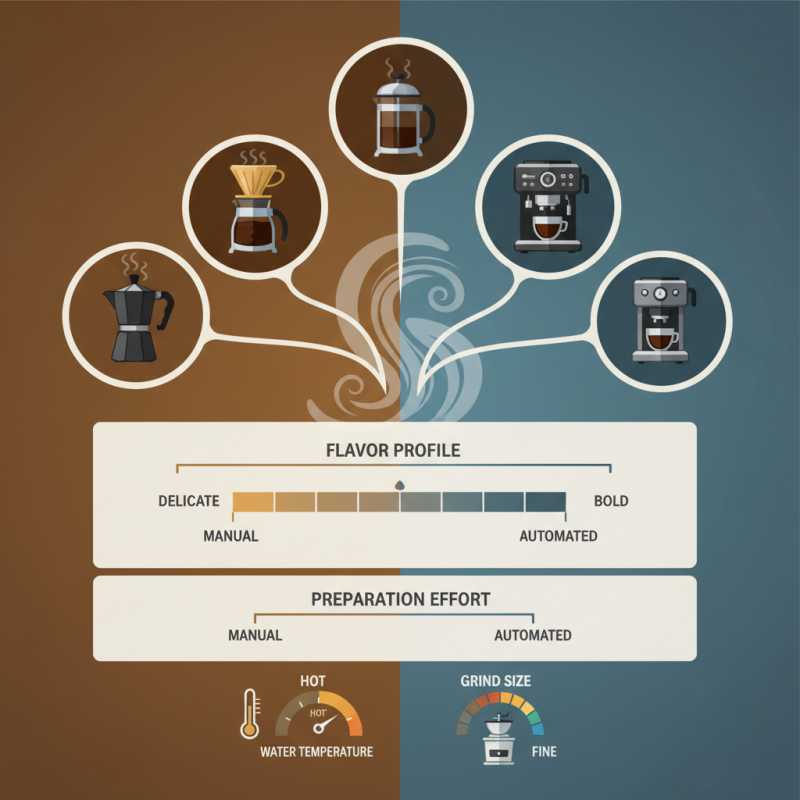
Coffee lovers are often on the hunt for that perfect flavor, aren’t they? How you brew your coffee really makes a difference—each method brings its own unique touch. Some folks turn to an automated coffee machine to make things easier, and honestly, it’s super convenient. But honestly, it can sometimes feel like it’s missing a bit of that personal flair. Many coffee enthusiasts swear that manual brewing offers a richer, more satisfying experience. Still, there are plenty who love the simplicity and speed that tech provides.
Getting to know different brewing styles is pretty important if you want to find what suits you best. Things like water temperature and grind size might seem small, but believe me, they make a huge difference in flavor. Exploring these choices can actually help you discover your own coffee preferences. In the end, it’s all about finding what works best for you and makes your coffee taste just right.
Understanding Coffee Brewing Basics
Understanding coffee brewing basics is essential for achieving perfect flavor. Water temperature, grind size, and brew time all play crucial roles in the extraction process. Using water that is too hot can lead to bitter flavors, while water that's too cool may result in under-extraction. Aim for a brewing temperature around 195°F to 205°F for optimal results.
Tips for grinding: Use a burr grinder for consistent grind size. Finer grinds work well for espresso, while coarser grinds suit methods like French press. Experiment with different grind levels to find your preference. Remember, even small differences can dramatically alter taste.
When using a Coffee Robot Barista, keep in mind that machine settings may not always match personal taste. Test various coffee types and brewing methods. Don’t hesitate to adjust water ratios or temp settings. Every coffee bean is unique. Embrace the journey of discovering what satisfies your palate. It’s all about trial and error.
Exploring Different Coffee Brewing Methods
When exploring different coffee brewing methods, it's essential to understand how each technique influences flavor. Pour-over is a popular choice among enthusiasts. The control over water temperature and pouring speed can result in nuanced flavors. However, it requires practice. Many novice brewers struggle to find that perfect balance.
Another interesting method is the French press. This technique allows for full immersion of coffee grounds, leading to a rich, robust flavor. Yet, the sediment can create an unpleasant texture if left too long. Achieving the right brew time is crucial, but it can be a challenge.
Cold brew coffee is refreshing and smooth, offering a different experience entirely. It requires patience, steeping for hours. Inconsistent brewing times can lead to weak or over-extracted flavors. Finding the right ratio of coffee to water is vital. Each method has its charm, but also its pitfalls.
Best Coffee Brewing Methods for Perfect Flavor
| Brewing Method | Flavor Profile | Brew Time | Grind Size | Ease of Use |
| Pour Over | Bright, Clean | 3-4 mins | Medium | Moderate |
| French Press | Rich, Full | 4-5 mins | Coarse | Easy |
| Espresso | Bold, Intense | 25-30 secs | Fine | Moderate |
| Cold Brew | Smooth, Sweet | 12-24 hours | Coarse | Easy |
| AeroPress | Versatile, Clean | 1-2 mins | Medium | Easy |
Impact of Grind Size on Flavor Extraction
The grind size of coffee plays a crucial role in flavor extraction. A coarse grind produces a milder taste. In contrast, a fine grind can yield a more intense flavor. You might wonder why this matters. If the grind is too fine, it can lead to over-extraction. Too much bitterness can ruin your cup. Finding the right balance takes practice.
Every brewing method requires a different grind size. For example, a French press needs a coarse grind. Espresso demands a fine grind for optimal results. This variability can confuse many coffee lovers. You might try a method, only to be disappointed. Adjusting the grind size can help. Experimenting with different sizes can yield surprising results.
Keep in mind, freshly ground beans usually taste best. However, grinding too early can lead to flavor loss. The clock is ticking for that perfect cup. In the search for ideal taste, don't get discouraged. Every coffee enthusiast faces challenges. Learning from each brew can lead to your next favorite cup.
Water Quality and Its Effect on Brewing
Water quality plays a crucial role in coffee brewing. The minerals in water can significantly influence the extraction of flavors. According to the Specialty Coffee Association, the ideal water hardness is between 50-175 ppm. Too soft water can result in flat coffee, while hard water can lead to bitterness. These factors can make or break your cup of coffee.
When brewing with an Ai Coffee Robot, water quality becomes even more critical. Automated machines may struggle with poor quality water. For instance, a study by the Coffee Research Institute found that 85% of coffee drinkers noticed a difference when brewing with filtered water. Clean water enhances the vibrant flavors and aromas that define good coffee.
Be mindful of your water source. Tap water, often treated with chlorine and other chemicals, can compromise taste. A simple filter can improve quality. Remember, experimenting is key. Test different water sources to find your preferred flavor profile. It's all about refining your process for that perfect brew.
Recommended Brewing Temperatures for Optimal Flavor
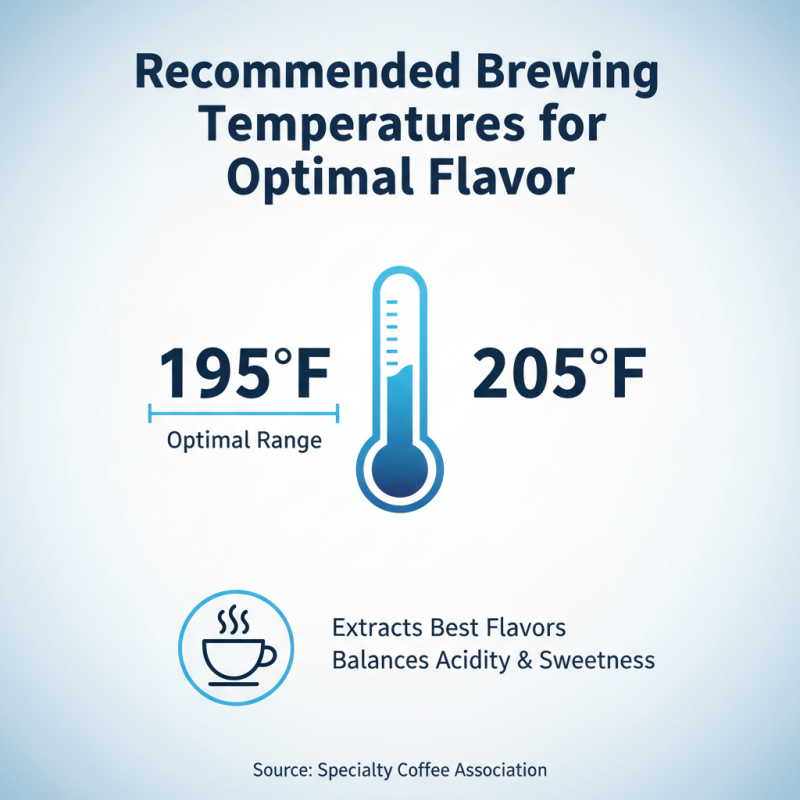
Brewing coffee at the right temperature significantly enhances its flavor. According to the Specialty Coffee Association, the optimal brewing temperature ranges from 195°F to 205°F. This temperature range helps extract the best flavors from coffee grounds, balancing acidity and sweetness.
When brewing below 195°F, coffee may taste weak or sour. Conversely, excessive heat can lead to bitterness. It’s essential to experiment with your setup. An AI Robot Coffee Car Machine can help you achieve precise temperatures consistently, taking the guesswork out of brewing.
Tip: Always preheat your brewing equipment. A cold pot can lower the brewing temperature, affecting flavor extraction. Also, consider using a thermometer for accuracy.
Another point to remember is that water quality matters. Impurities can alter the taste profile significantly. Ideally, use filtered or bottled water for the best results. Keep in mind that altitude can influence temperature too. At higher elevations, water boils at lower temperatures, which may affect brewing.
Tip: When using an AI Robot Coffee Car Machine, adjust your settings according to your location's altitude. It's a small change that can yield a big difference in flavor. Your coffee journey might be a continuous learning process, so don’t hesitate to tweak your methods.
Brewing Ratios: Finding the Perfect Balance
When it comes to brewing the perfect cup of coffee, balance is key. Brewing ratios play an important role in achieving the right flavor. A general guideline is to use one to two tablespoons of coffee per six ounces of water. But preferences vary. Some may enjoy a stronger brew, while others prefer a milder taste. Experimenting with these ratios can lead to surprising results.
For instance, using too little coffee can result in a weak, watery drink. On the other hand, too much coffee may create a bitter flavor. It's essential to find that sweet spot. The method of brewing also influences these ratios. Pour-over techniques often require finer grounds, leading to different extraction rates. If you rely on an AI Coffee Car Machine, knowing your brewing ratio helps fine-tune the flavor.
Once you've established your preferred balance, document the ratios for future brews. Don’t hesitate to adjust based on the coffee beans' origin. Some beans shine at different ratios. Reflecting on previous attempts is valuable. Not every brew will be perfect, but each failure is a step towards achieving that ideal cup.
Advanced Techniques for flavor enhancement in Coffee
Brewing coffee is an art. The right techniques can uplift the flavor. One effective method is adjusting water temperature. Too hot can scald the beans, while too cold may under-extract flavors. Aim for a range between 195°F and 205°F for optimal extraction.
Another advanced technique involves grind size. A finer grind allows for quicker extraction, providing bold flavors. Conversely, a coarser grind results in a milder cup. Experimenting with grind size helps find the perfect balance.
Finally, consider brewing time. Shorter brewing times can yield brighter notes, while longer steeping enhances richness. However, over-extraction might introduce bitterness. Each brewing method demands careful attention to detail. Perfecting these techniques takes patience and practice. Reflections on your brewing process can lead to delightful discoveries.
Innovative Coffee Solutions: Unleashing the Power of the AI-Powered 24H Mobile Coffee Vending Machine
The evolving landscape of coffee consumption has facilitated the emergence of innovative solutions that cater to the needs of coffee enthusiasts on the go. The AI-Powered 24H Mobile Coffee Vending Machine stands at the forefront of this trend, combining technology with the artistry of barista-level coffee preparation. This vending machine replicates the exquisite craftsmanship found in high-end coffee bars, ensuring that every cup served is not only delicious but also crafted to perfection.
With the distinction of holding top professional quality certifications such as EU CE, US FCC, and the China ISO 9001, this machine exemplifies quality and reliability. Moreover, boasting over 70 national patents, it reflects the ingenuity and commitment of its creators to revolutionize the coffee experience. Recent industry reports indicate that mobile coffee vending has seen a significant rise in popularity, including a projected compound annual growth rate (CAGR) of 9.2% in the coffee vending market by 2026. This surge underscores the consumer demand for convenient, high-quality coffee solutions, a demand that the AI-powered vending machine is ideally positioned to meet.
Operating 24 hours a day, this innovative machine transcends traditional coffee-making limitations, making premium coffee accessible to consumers in more than 60 countries. As urban lifestyles evolve, the provision of such accessible luxury coffee experiences remains a testament to the merging of technology and craftsmanship within the beverage industry. The ongoing development of these advanced solutions represents a significant shift in how we enjoy our daily coffee, ensuring that quality is never compromised, no matter the location or time.
FAQS
: The best brewing temperature is between 195°F and 205°F.
Brewing too low makes coffee sour; too high can cause bitterness.
Cold equipment can drop the brewing temperature, affecting flavor.
Use filtered or bottled water to achieve the best taste profile.
At higher altitudes, water boils at lower temperatures, impacting flavor.
A finer grind offers bold flavors, while a coarser grind is milder.
Shorter times yield brighter notes; longer times enhance richness but may cause bitterness.
Yes, it assists in maintaining the correct temperatures consistently for flavor.
Analyze your techniques and try adjusting elements like grind size and brewing time.
Absolutely, perfecting brewing techniques takes time, patience, and experimentation.
Conclusion
The article "Best Coffee Brewing Methods for Perfect Flavor" delves into the essential elements of brewing coffee to achieve the ideal taste. It begins with an overview of coffee brewing basics, emphasizing the crucial role of grind size in influencing flavor extraction. Next, it explores various brewing methods, each offering unique nuances in taste. The quality of water is also highlighted, as it significantly affects the overall brewing process.
Additionally, the article discusses recommended brewing temperatures that optimize flavor and the importance of finding the right brewing ratios for a perfect balance. For those looking to elevate their coffee experience, advanced techniques for flavor enhancement are shared, providing readers with a comprehensive guide to mastering the art of coffee brewing and unlocking the full potential of their favorite beverage.