When it comes to bartending, getting the basics down is honestly key if you want to impress your guests. Jeffrey Morgenthaler, the guy behind 'The Bar Book,' once said, “The best bartenders make it look easy.” I think that really hits the nail on the head — it’s all about how skill and a bit of finesse come together to create memorable moments.
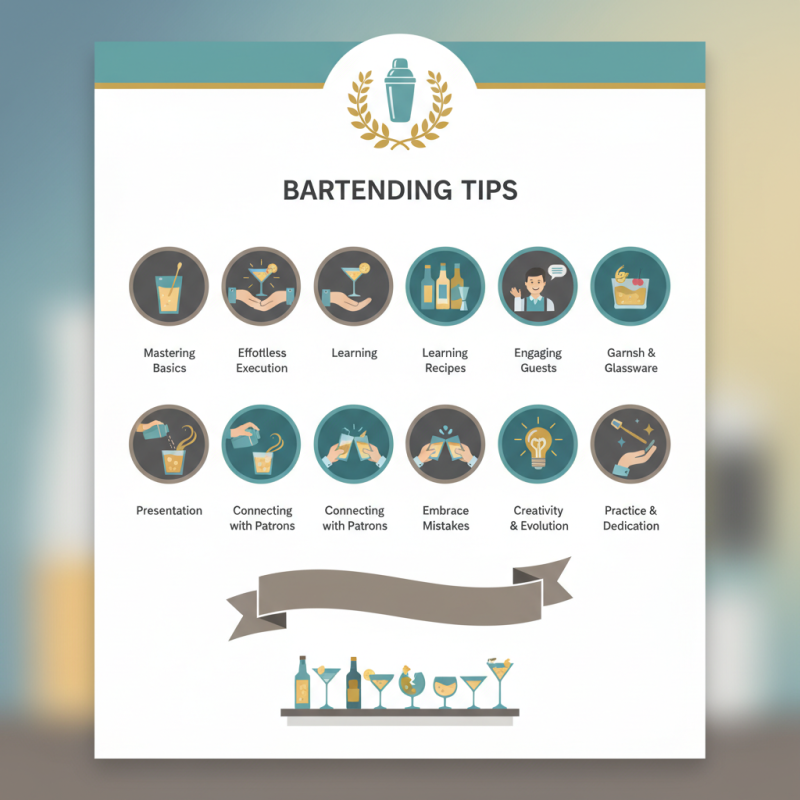
Starting out in bartending can feel kinda intimidating, right? There's so many drinks to learn, techniques to master, and it’s easy to stumble along the way. But honestly, if you focus on some core tips—like mastering the fundamentals—you’re already on the right track to making great cocktails and connecting with your patrons. Every drink tells a story, and serving it with confidence just makes the whole experience better. Oh, and don’t underestimate the power of little things — a good garnish or the right glassware can turn something simple into something really special.
A lot of newbies overlook how much presentation and service matter. It’s not just about throwing together drinks; it’s about creating a vibe and really connecting with the people at your bar. Yeah, mistakes happen—that’s all part of the learning process. The important thing is to roll with it and learn from those slip-ups. Great bartending isn’t built overnight; it’s a blend of creativity, genuine care, and paying attention to details. And honestly, with a little practice and some real dedication, pretty much anyone can become a fantastic bartender.
Essential Tools Every Beginner Bartender Should Have
Having the right tools is essential for any beginner bartender. A well-equipped bar can significantly enhance your cocktail-making experience. A versatile shaker is a must-have. It allows you to mix drinks efficiently. According to industry reports, about 70% of successful cocktails start with proper shaking. Invest in a jigger for accurate measurements. Inconsistent measurements can ruin a drink’s flavor.
Consider a muddler as well. This tool helps release flavors from herbs and fruits. Many novice bartenders overlook this. Using fresh ingredients can make your drinks stand out. Additionally, a good strainer is crucial. It separates the liquids from solids, ensuring a smooth pour. Research indicates that a well-strained cocktail is seen as more professional. Remember to keep your bar organized. A cluttered workspace can lead to mistakes, affecting your drink quality.
Don’t forget glassware. A variety of glasses can enhance presentation. Each type serves its purpose, from highballs to coupes. However, it's easy to misjudge which glass to use at times. Keep experimenting. Over time, you'll find what works best. Also, a quality cutting board and knife are essential. Fresh ingredients need proper preparation. Each tool contributes to your overall efficiency and effectiveness. Enjoy the process, and learn from your experiences.
Understanding Basic Mixology Techniques for Impressive Cocktails
Understanding basic mixology techniques is essential for beginners eager to impress their guests. Start by learning about the main types of spirits—vodka, gin, rum, tequila, and whiskey. Each has a unique flavor profile. Understanding these differences shapes the cocktails you create.
One valuable tip is to master the art of shaking and stirring. Shaking combines ingredients well, adding air and texture. Use a proper shaker for best results. Stirring, on the other hand, allows for smoother mixtures, perfect for spirit-forward drinks. If you're unsure, practice both methods. You'll find what works best for different cocktails.
Another crucial aspect is garnishing. Don’t underestimate its impact. A simple twist of lemon peel or a sprig of mint adds a finishing touch. Experiment with different garnishes, but don’t overdo it. Sometimes less is more. Remember, mistakes happen. Maybe your drink is too sweet or not balanced. Reflect on these moments, and learn to adjust your recipes. Creating great cocktails is a journey of constant improvement.
Mastering the Art of Garnishing for Visual Appeal
Garnishing is an essential skill for any budding bartender. It transforms a simple drink into a visual delight. Fresh herbs, fruits, and even edible flowers can elevate your cocktails. Consider a vibrant sprig of mint or a twist of citrus peel. These simple additions can make a striking difference.
Experiment with various garnishes to find your style. You might find that a slice of cucumber in a gin drink adds a refreshing touch. Or try using a cherry for that classic look in a whiskey cocktail. Don't always seek perfection. A slightly crooked lemon twist can feel more authentic and homemade.
Remember, presentation matters. Your guests notice the smallest details. A well-garnished drink attracts attention. But don’t be discouraged by mishaps. Sometimes, a garnish can fall apart, or you may mix a flavor that doesn't work. The key is to keep trying and learning from these moments. Embrace imperfections as part of your bartending journey.
How to Effectively Organize Your Bar for Efficiency
When organizing your bar, efficiency is key. A well-structured bar saves time and impresses guests. According to the Bartender’s Handbook, 70% of successful cocktails rely on preparation. Consider your layout carefully. Place frequently used tools like shakers and jiggers within reach. Use clear containers for garnishes and mixers. Label everything clearly. This clarity not only speeds up service but also ensures you don’t waste precious time searching.
In addition, consider the flow of your bartending work. Many beginners create clutter. This can lead to mistakes. Research suggests that a clean bar can reduce the rate of errors by up to 50%. Keep the setup simple. Use trays to hold ingredients. This minimizes movement and helps in maintaining focus. Take the time to rearrange your space as it evolves. Regular reflection on what works and what doesn’t creates a better experience for both you and your guests.
10 Best Bartending Tips for Beginners to Impress Your Guests
| Tip | Description |
| Know Your Tools | Familiarize yourself with essential bartending tools like shakers, strainers, and jiggers. |
| Use Fresh Ingredients | Opt for fresh fruits, herbs, and mixers to enhance flavor and presentation. |
| Organize Your Bar | Keep your bar area tidy, with bottles and tools within easy reach for efficiency. |
| Practice Basic Techniques | Master stirring, shaking, and muddling to create classic cocktails. |
| Learn Classic Cocktails | Familiarize yourself with popular drinks like Margaritas, Martinis, and Mojitos. |
| Garnish with Style | Use appropriate garnishes to elevate the visual appeal of your drinks. |
| Engage with Guests | Build rapport with your guests by being friendly and conversational. |
| Know Your Audience | Tailor your drink suggestions based on guests’ preferences and tastes. |
| Stay Calm Under Pressure | Maintain composure during busy times to ensure quality service. |
Key Cocktail Recipes Every Beginner Should Know
Mastering the art of bartending starts with knowing a few key cocktail recipes. According to industry data, about 70% of consumers prefer classic cocktails at home gatherings. Learning these drinks can elevate your hosting skills significantly. A refreshing Mojito, made with fresh mint, lime, sugar, rum, and soda water, is simple but effective. Guests love the balance of flavors, and it’s visually appealing.
Another essential recipe is the Old Fashioned. This timeless drink features whiskey, sugar, and bitters, garnished with an orange twist. According to a survey, nearly 60% of cocktail enthusiasts consider it a must-try. However, many beginners struggle with balance. Over-sweetening can ruin the experience. It’s crucial to taste as you mix, adjusting the sweetness or bitterness to suit your audience’s preference.
Finally, the Margarita deserves a spot on your list. Comprising tequila, lime juice, and triple sec, this cocktail is loved worldwide. Yet, many people use pre-made mixes, which can disappoint your guests. Instead, opt for fresh ingredients to bring out authentic flavors. Keep experimenting with ratios! This will not only impress your guests but also help refine your skills over time. Remember, the key is practice and a willingness to learn from your mistakes.
Top 5 Cocktails for Beginners to Learn
Developing Customer Service Skills for Happy Guests
Creating a memorable experience for your guests goes beyond serving drinks. A friendly smile can create an instant connection. Engage in light conversation as you mix. This warms the atmosphere and makes your guests feel welcome. Ask them about their favorite cocktails or if they prefer something new. Listening intently really matters.
Mastering customer service requires practice. Sometimes, you might mix up orders. Apologize sincerely and make it right. Guests appreciate honesty and quick fixes. Always stay calm under pressure, even when the bar gets busy. Some guests may be challenging; keep your demeanor polite. Remember, your goal is to make them happy, no matter how difficult the situation might be.
Tips for Creating a Signature Drink to Impress Your Audience
Creating a signature drink can truly impress your guests. It’s all about creativity and personalization. Research shows that 70% of consumers enjoy unique cocktails over standard options. Begin by choosing a base spirit. Vodka, rum, or gin can work well. Consider the flavors your guests prefer.
Next, think about the mixing ingredients. Fresh fruits, herbs, and spices can elevate your drink. A pinch of basil or a splash of citrus can bring life to any cocktail. Data indicates that 65% of successful cocktails include at least one fresh ingredient. Experiment with different combinations. Don't be afraid to mix unexpected flavors. Sometimes, it leads to delightful surprises.
Finally, presentation matters. Use interesting glassware and garnish your drink thoughtfully. A simple sprig of mint or a slice of fruit can enhance visual appeal. About 85% of guests remember a drink more if it looks beautiful. Reflect on your creations. Not every drink will be a hit. Learn from the misses just as much as the successes.
FAQS
: Essential tools include a shaker, jigger, muddler, strainer, and various glassware.
A shaker helps mix drinks efficiently, contributing to better cocktail quality.
A jigger ensures accurate measurements, crucial for maintaining drink flavor consistency.
A muddler releases flavors from herbs and fruits, enhancing drink quality.
Different glass types improve presentation and ensure drinks are served correctly.
Keep essential tools within reach and use clear containers for garnishes and mixers.
Many create clutter, which can lead to errors and a poor service experience.
Regular reflection on your setup helps identify what works and what doesn't.
Consider flow and accessibility, placing frequently used items for quick access.
A clean bar can reduce errors, improving both service speed and drink quality.
Conclusion
Mastering bartending is essential for beginners who want to impress their guests at gatherings. A solid foundation begins with acquiring essential tools that facilitate the mixing process, along with understanding basic mixology techniques that elevate simple cocktails into memorable drinks. Visual appeal is equally important, making garnishing an art that every aspiring bartender should master.
Organizing your bar effectively enhances efficiency, allowing for a smoother cocktail preparation experience. Additionally, familiarizing oneself with key cocktail recipes will provide a diverse menu to satisfy any crowd. Building customer service skills is crucial for ensuring guests leave happy, while developing a signature drink can create a lasting impression, showcasing the creativity and personality of the bartender. With these tips, beginners can confidently step into the world of bartending and impress their audience.